
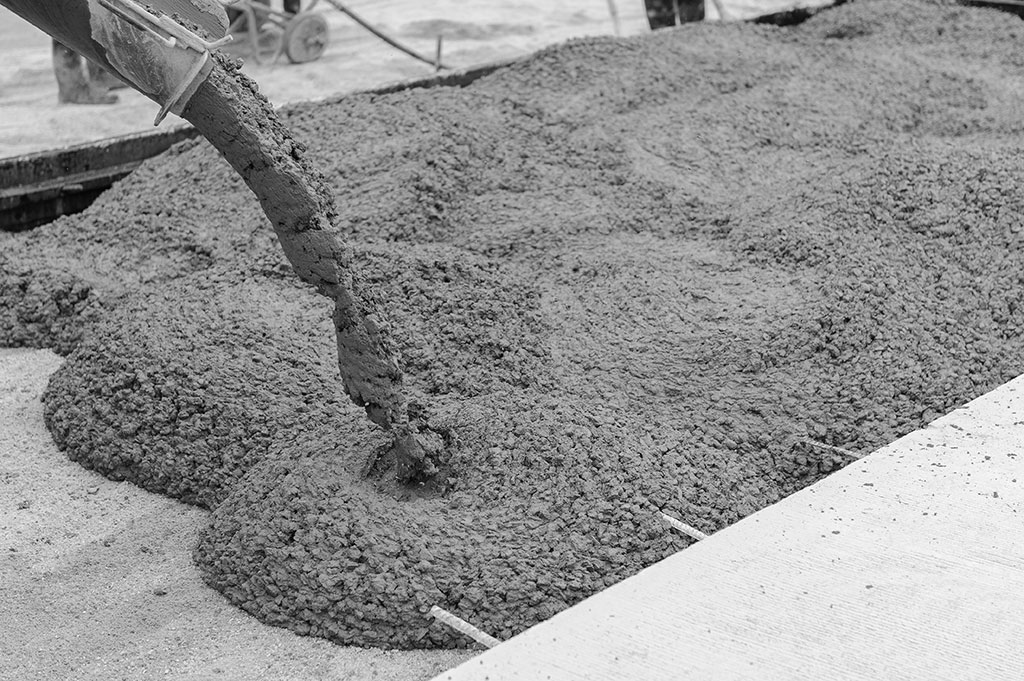

A recent study suggests that adding nitrogen to concrete could significantly cut the industry’s NOx emissions by up to 6.9 megatonnes.
- Nitrogen oxides (NOx) are harmful pollutants linked to acid rain and health issues, highlighting the need for new construction materials.
- The global construction boom is exacerbating air pollution, making innovative solutions like nitrogenated concrete essential.
- Researchers advocate using existing CO2 emissions systems to optimise logistics for nitrogenated concrete implementation.
- China, Europe, and the US could lead the way in adopting this technology to foster environmental and economic benefits.
The introduction of nitrogen to concrete emerges as a groundbreaking solution in the fight against atmospheric pollutants, with the potential to reduce construction-related NOx emissions by up to 6.9 megatonnes. This represents a substantial 13% decrease in emissions compared to those in 2021.
Nitrogen oxides are highly reactive and toxic, known to contribute to environmental issues such as acid rain and the depletion of the ozone layer. They also pose significant health risks, particularly regarding respiratory diseases, underscoring the importance of addressing these emissions within the construction sector.
Global urbanisation, particularly in the southern hemisphere, has intensified the challenge of air pollution. The rapid expansion and modernisation of cities necessitate innovative approaches like nitrogenated concrete to mitigate the consequences of development on urban health and environmental sustainability.
Dr Yuli Shan from the University of Birmingham emphasises the critical nature of managing NOx emissions for promoting sustainable industrial growth and ensuring overall well-being. With global emissions nearly doubling from 1970 to 2018, the need for effective strategies becomes increasingly urgent.
Ning Zhang from the Leibniz Institute further highlights the potential of concrete to capture NOx, suggesting that deploying this technology in rapidly industrialising regions brings significant economic and ecological advantages. The integrated approach not only helps manage pollution but also offers a practical use for construction waste.
Key players such as China, Europe, and the United States are poised to influence this transition, leveraging their industrial capabilities to promote the adoption of this environmentally friendly material. There is consideration of an emissions trading system akin to that established for CO2 to quantify the benefits of NOx reduction more accurately.
While the environmental benefits are promising, practical challenges in transporting materials and gases need resolution. Researchers recommend optimising existing concrete carbonation systems to improve the feasibility and logistical management of nitrogenated concrete.
The adoption of nitrogenated concrete represents a pivotal step towards reducing NOx emissions and enhancing urban environmental quality.
