
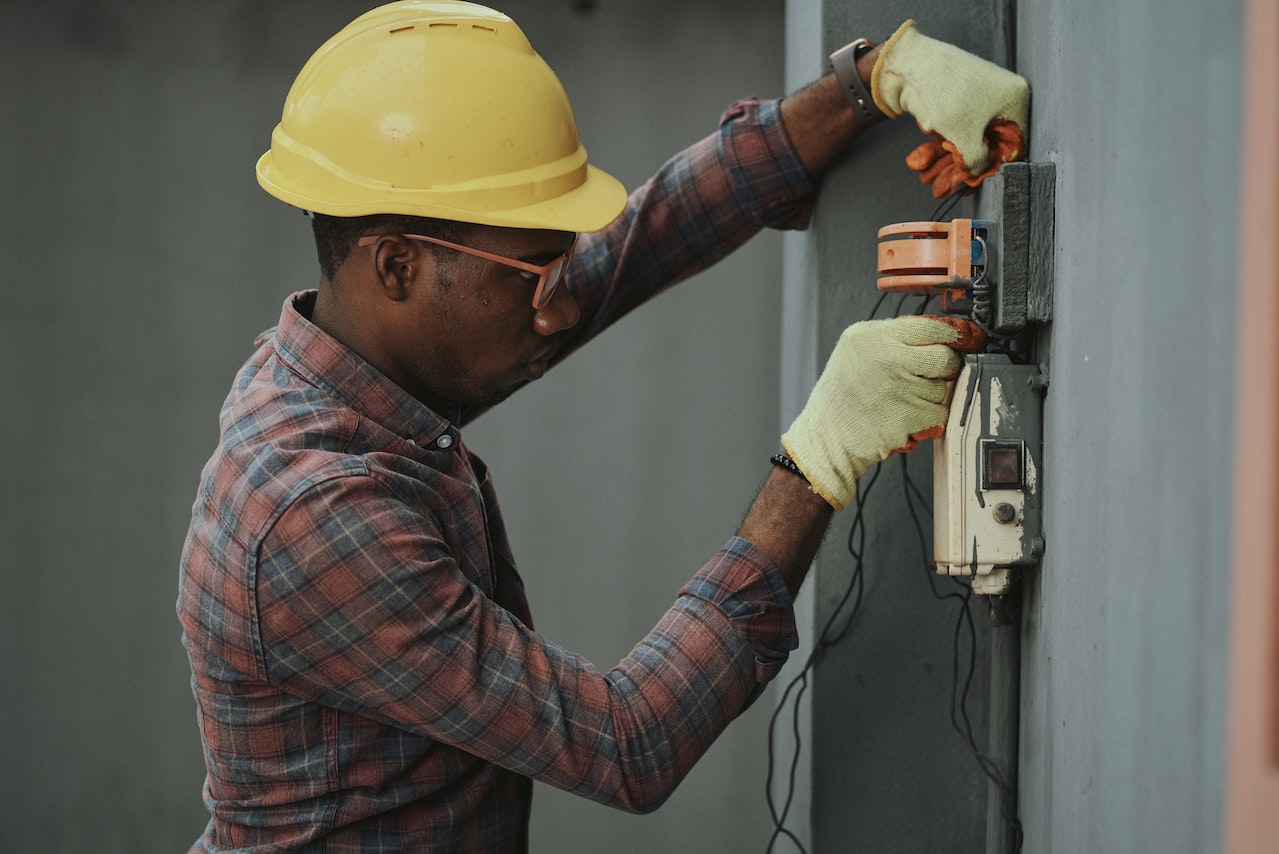

Electrical safety in the workplace is crucial for preventing accidents and ensuring compliance with UK regulations.
- Electrical injuries can result from both low and high voltage, posing risks like electric shocks, burns, and even explosions.
- UK legislation, such as the Electricity at Work Regulations 1989, mandates precautions to prevent electrical hazards.
- Risk assessments and proper equipment usage are essential to comply with electrical safety laws.
- Timely maintenance and repair of electrical installations are necessary to avoid potential hazards.
Electrical safety is a vital component of workplace safety in the United Kingdom, reflecting both the importance of protecting workers and adhering to legal mandates. Modern infrastructures utilise electricity on various scales, yet the potential for electrical injury remains significant. Such injuries, which can range from shocks to severe burns, are often exacerbated by faulty equipment or installations. In extreme incidents, electricity may also trigger explosions or ignite flammable substances.
To mitigate these dangers, the UK has instituted several key pieces of legislation. The Electricity at Work Regulations 1989 is a prominent example, encompassing all aspects of electrical usage within workplaces. This regulation outlines the responsibilities of employers, employees, and even the self-employed to ensure electrical safety. Another important statute is the Electrical Equipment (Safety) Regulations 1994, which mandates comprehensive protection against electrical accidents, covering potential threats to humans, animals, and property alike. Additionally, the Management of Health and Safety at Work Regulations 1999 requires employers to implement proactive measures to manage and mitigate health and safety risks, including those associated with electrical systems and equipment.
Compliance with these laws is paramount, and organisations must adopt several key strategies to align with legislative requirements. The initial step entails conducting thorough risk assessments to identify potential electrical hazards. During these assessments, it’s critical to document who might be most at risk, the severity of each risk, and what precautions have been executed to mitigate these threats. Furthermore, ensuring that electrical installations and equipment are used exclusively for their intended purposes safeguards against misuse and potential accidents.
Alongside risk assessments, regular maintenance and timely repairs of electrical equipment are crucial. Organisations must ensure that all electrical devices are in suitable working condition, which involves routine inspection, testing, and necessary repairs. Outdated or overloaded equipment must be promptly replaced with modern, reliable alternatives to prevent hazards such as fire risks due to worn insulation and loose wiring connections. These practices not only enhance safety but also ensure compliance with UK regulations.
Ultimately, the intersection of safety and compliance underscores the essential nature of these practices within the workplace, where thorough understanding and application of safety legislations contribute significantly to a safer work environment.
Compliance with UK electrical safety legislation is essential for ensuring workplace safety and preventing potential hazards.

