
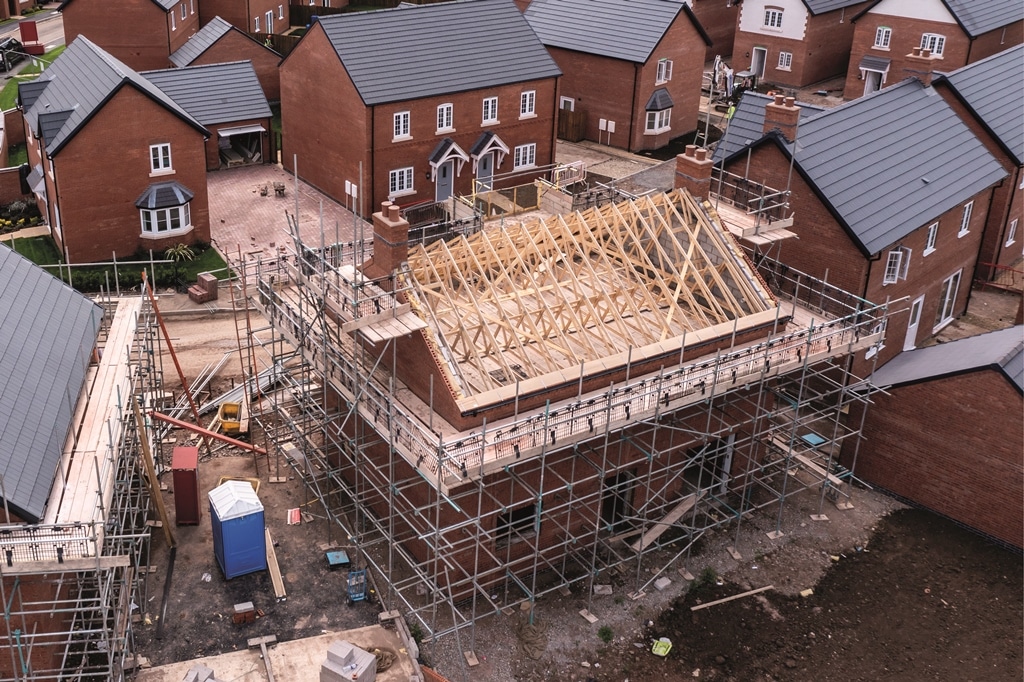

In recent years, a staggering number of approved housing projects in England and Wales remain unrealised, raising concerns about the government’s housing targets.
- Data from the Planning Portal Market Index reveals over a million unbuilt homes approved since 2015, equating to nearly a third of all permissions granted.
- 2024 has seen the lowest level of planning applications since 2020, casting doubts on the government’s future housing goals.
- High interest rates and construction sector challenges are major factors contributing to the stagnation of housing projects.
- There is an urgent need for policymakers to address and resolve these multifaceted issues to meet the housing demands of a growing population.
Data from the inaugural Planning Portal Market Index highlights a critical issue: over a million homes that received planning permission since 2015 have yet to be constructed. This figure represents approximately one-third of all homes approved in that time frame, posing a significant barrier to achieving the government’s housing targets. The drop in planning applications in early 2024 further underscores the challenges faced by the housing sector.
Geoff Keal, the chief executive of TerraQuest, which operates the Planning Portal, suggests that the political debate has disproportionately focused on the planning system. He articulates that while the planning process is not flawless, it previously approved a sufficient number of homes to meet official targets. Keal advocates for a broader examination of other factors impeding home completion, such as economic and construction-related hurdles.
The report sheds light on how high interest rates adversely affect the housing market. These rates not only diminish potential profits for developers but also escalate borrowing costs, effectively deterring the commencement of new projects. Coupled with these financial deterrents are the persisting constraints in the construction sector, including a notable skills shortage.
Official statistics point to a troubling decrease in essential construction materials, with supplies of bricks and blocks declining by 4.3% and 9.8%, respectively, within a year to April. These shortages further exacerbate the existing challenges developers face in completing housing projects.
The analysis highlights the formidable hurdles policymakers must navigate to ensure the construction of enough homes to accommodate an expanding population. These factors collectively threaten to undermine efforts to meet house-building targets, pressing the need for a comprehensive and strategic response.
The pressing issues of unbuilt homes and planning application declines demand immediate attention to safeguard future housing objectives.
