
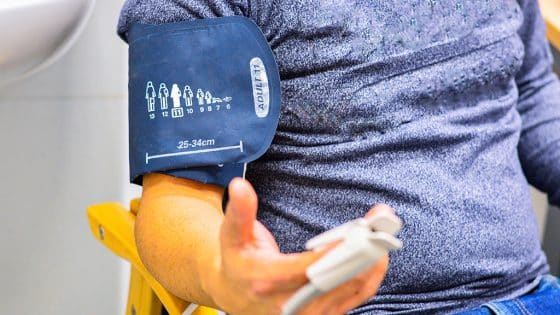

The UK government introduces a proactive health-check programme for builders, potentially saving lives.
- This health MoT targets builders, focusing on preventing diseases like heart and kidney conditions.
- Professionals will conduct these checks on-site, encouraging broader participation from the construction sector.
- The programme aims to overcome barriers to healthcare access, notably for men who often delay consultations.
- NHS officials emphasise early detection to enhance cardiovascular health and reduce future health risks.
In a significant move, the UK government has unveiled a health-check initiative aimed at safeguarding the wellbeing of builders across the nation. The health MoT programme, already established for individuals over 40 without known cardiovascular issues, will now extend to thousands of construction workers. This initiative involves a comprehensive set of health assessments, including weight, blood pressure, and cholesterol level checks, designed to identify those at heightened risk for diseases such as heart disease, kidney disease, and diabetes.
by implementing workplace-based health checks, the government aims to foster a proactive approach to healthcare, thereby improving access to critical health services. This is particularly important in the construction industry, where a majority of employees are men who are statistically less likely to seek medical attention promptly. The Department of Health and Social Care has spearheaded this initiative, encouraging construction businesses to participate actively.
Andrew Gwynne, the Minister for Public Health, highlighted the programme’s potential to transform healthcare access, focusing on prevention rather than treatment. Emphasising the importance of early intervention, Gwynne stated that this initiative is crucial for easing the burden on the NHS and promoting long-term health outcomes. “We know so many deadly diseases can be avoided if we seek help in enough time,” he remarked, underscoring the programme’s emphasis on preventive care.
Moreover, the logistics of this initiative indicate a shift towards community-focused healthcare, with a significant number of eligible individuals yet to receive their NHS Health Check. According to the NHS, only a small fraction of the more than 16 million eligible have undergone the checks due to existing barriers. Workplace health MoTs are posited as a solution to improve this uptake, with healthcare professionals actively engaging employees to participate.
Rico Wojtulewicz from the National Federation of Builders has advocated for widespread involvement in the programme, citing data from Nuffield Health that suggests a reluctance among men to seek medical advice. With a staggering 86 per cent male workforce in construction, Wojtulewicz encourages employers to facilitate these health checks, reinforcing the sector’s role in supporting public health initiatives. “All companies who can accommodate and offer health testing should get involved with this scheme,” he asserted.
The proactive health-check initiative promises to enhance early detection and prevention in the construction industry, fostering better health outcomes.
