
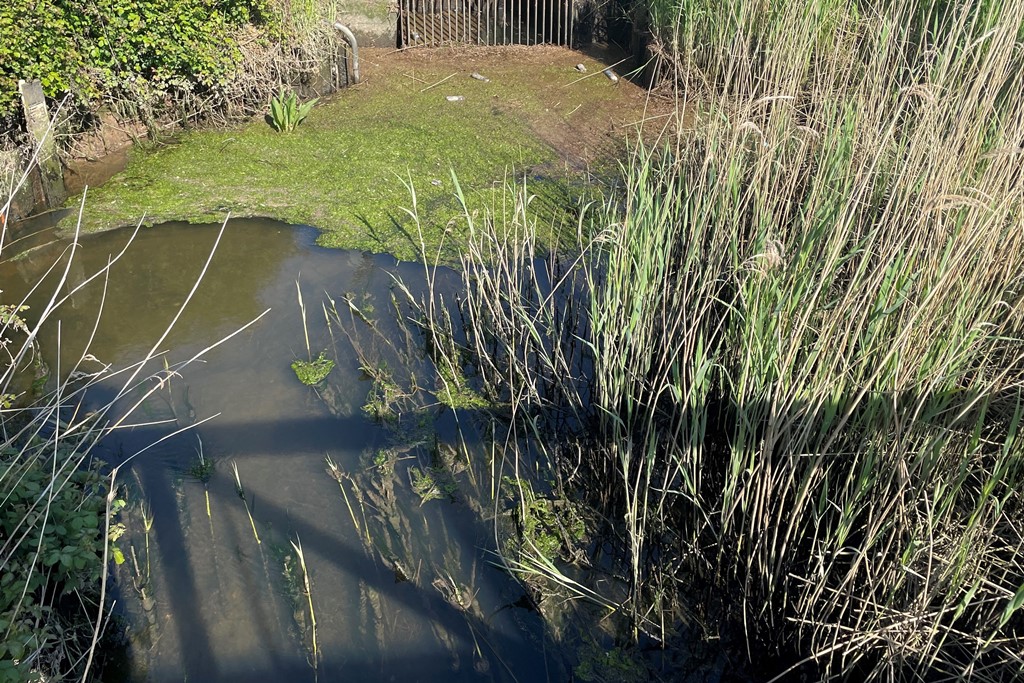

The Supreme Court’s recent ruling is a turning point for environmental accountability in the UK.
- Campaigners celebrate as the Court empowers legal action against water companies polluting waterways.
- This judgment could lead to numerous lawsuits, pressuring companies to address sewage dumping.
- The case stemmed from the Manchester Ship Canal’s dispute with United Utilities over sewage pollution.
- Water companies’ defence of existing infrastructure and regulatory compliance has been challenged.
The Supreme Court has issued a significant ruling that allows private landowners to sue water companies for polluting waterways under common law claims of nuisance. This judgment marks a pivotal shift in the legal landscape, providing new avenues for holding water companies accountable for environmental damage caused by sewage discharges.
Campaigners for cleaner rivers and waterways have welcomed the ruling, anticipating a surge in legal actions. The decision enables private individuals and landowners to challenge water companies whose sewage dumping adversely affects their properties. This newfound legal leverage amplifies pressure on these companies to invest in proper infrastructure to halt untreated sewage discharges.
The genesis of this case was the Manchester Ship Canal Company’s conflict with United Utilities. The Canal Company, owning the canal’s beds and banks, questioned whether it could proceed with a nuisance claim over the canal’s pollution by sewage from United Utilities’ outfalls. Despite having never pursued a lawsuit, the mere threat prompted United Utilities to seek legal immunity.
United Utilities previously argued that building new infrastructure was the only solution to prevent foul water discharges, asserting that regulatory directives from Ofwat superseded court interventions. Both the High Court and the Court of Appeal had sided with this defence, implying legal claims couldn’t be pursued unless negligence or deliberate wrongdoing was indicated.
However, the Supreme Court overturned these previous judgments, clarifying that the Water Industry Act 1991 does not preclude nuisance or trespass claims, even without evidence of negligence. This landmark ruling signifies a considerable triumph for environmental campaigners, bolstered by support from the Environmental Law Foundation and the Good Law Project.
Jennine Walker of the Good Law Project hailed the ruling as a ‘sensational victory,’ emphasising its potential to empower the public and businesses in combating large-scale environmental polluters. Emma Montlake from the Environmental Law Foundation echoed similar sentiments, describing the ruling as a game-changer for communities and a crucial step towards environmental justice.
This Supreme Court decision potentially transforms the approach to environmental litigation in the UK, heralding a new era of accountability for water companies.
