
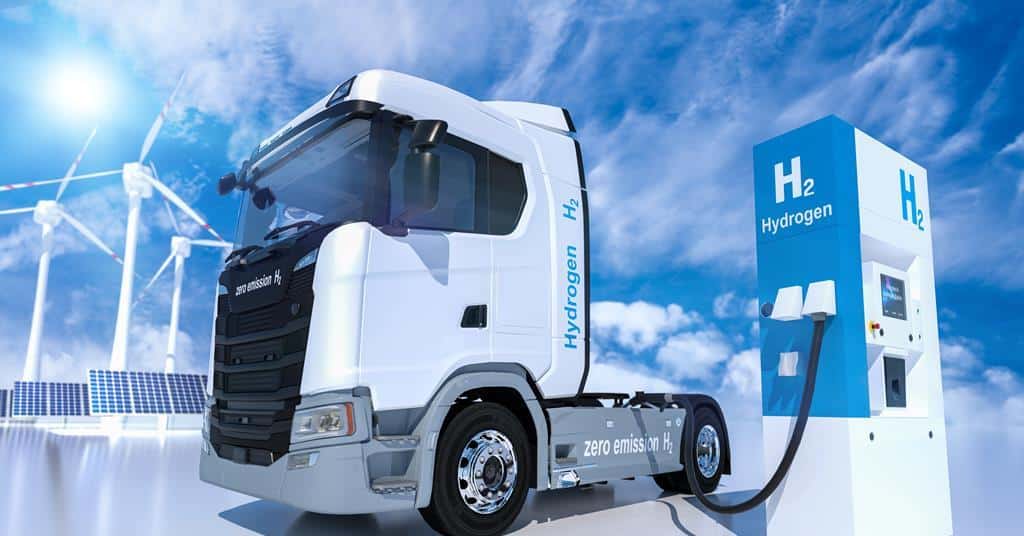

Venson Automotive Solutions presents hydrogen as a compelling alternative fuel for HGVs amidst the shift from diesel to electric.
- Investment in hydrogen technologies and refuelling infrastructure points to a viable future for fuel cell electric vehicles.
- Challenges in prior hydrogen adoption include cost, infrastructure, and production hurdles but advancements are promising.
- The establishment of the Hydrogen UK trade association signifies a committed drive towards hydrogen deployment.
- Industry experts suggest that hydrogen could rival current preferred options in the HGV market by 2030.
Fleet managers in the haulage industry are being advised to consider hydrogen-powered trucks as part of their transition from diesel to zero emission vehicles. Venson Automotive Solutions, a fleet management specialist, argues that overlooking hydrogen could mean missing out on a critical technological advancement. They have published a white paper, ‘The Big Hydrogen Question,’ which delves into the potential role of hydrogen in future transport solutions. The study highlights the significant technological advancements and policy shifts that could position hydrogen as a key player in cleaner road transport.
Historically, the high adoption costs, limited infrastructure, and fossil fuel-based production have been substantial barriers to hydrogen’s widespread utilisation within the UK. However, Venson’s research indicates a growing investment in hydrogen vehicle technologies and refuelling networks. Such investments, especially in the heavy goods vehicle (HGV) sector, hint at an increasingly favourable economic landscape for hydrogen adoption.
Simon Staton of Venson Automotive Solutions points out that while hydrogen cars may not yet be ready for widespread use, the parallel investment into hydrogen vehicle technologies and refuelling networks is positioning fuel cell electric vehicles (FCEVs) as viable options for fleet operators. He suggests that companies with mixed vehicle fleets, particularly those with heavier vehicles, should monitor these developments closely. Additionally, the rise of efuels and their potential integration also demand attention.
With industry experts predicting a decrease in hydrogen prices and components by 2030, as economies of scale come into play, Venson stresses the importance of staying informed about hydrogen’s progress. The creation of the Hydrogen UK trade association in 2022 bolsters this progress, emphasising the need for continuous observation and critical evaluation of hydrogen’s role in fleet management. Rather than choosing between technologies, decisions should be based on the vehicles’ operational needs and the suitability of technology for specific purposes.
Venson’s insights reflect a broader industry consensus that hydrogen fuel cell technology is making significant strides, particularly in the HGV market. While battery electric vehicles remain dominant in the passenger car market, hydrogen is rapidly advancing. As suggested by Venson, hydrogen could soon compete with diesel in the HGV arena, challenging the long-standing preference for conventional fuels.
Considering hydrogen’s advances and industry support, it remains a crucial contender in the zero emission vehicle landscape.
