

June 2024 saw a continued increase in construction activity although at a reduced pace compared to May.
- The S&P Global UK Construction PMI fell from 54.7 in May to 52.2 in June, remaining above the neutral 50.0 mark.
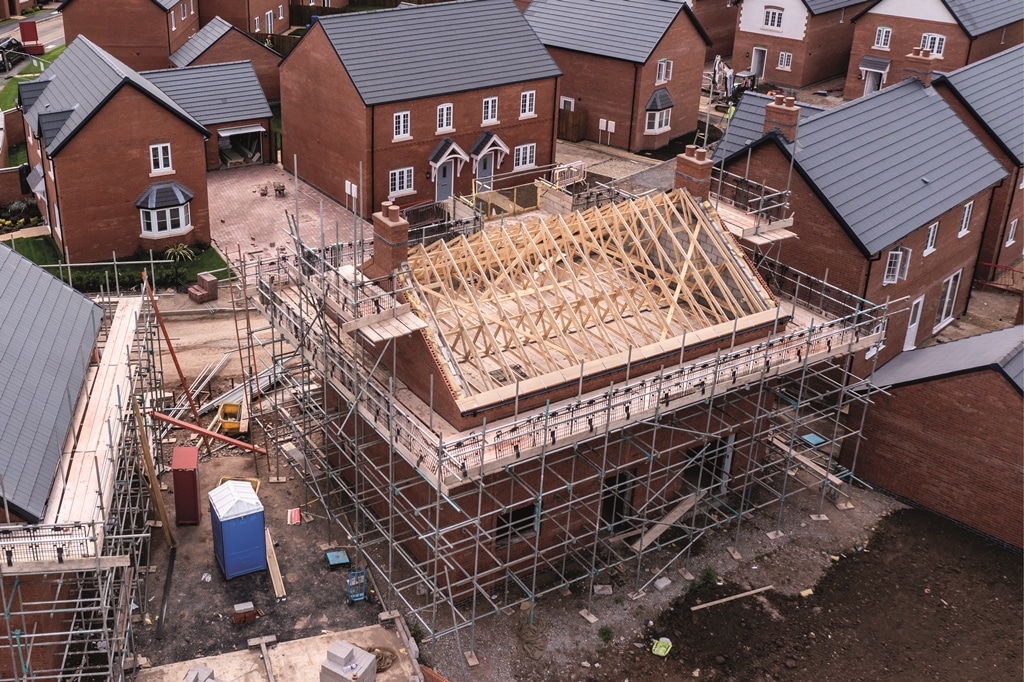
- Growth was primarily driven by commercial activity, while house-building recorded a significant decline.
- Economic factors like election uncertainties were cited as reasons for slower new order growth.
- Despite challenges, firms demonstrated optimism, reflected by increased employment and purchasing activities.
In June 2024, construction activity in the UK continued to grow albeit at a slower rate than in May. The S&P Global UK Construction Purchasing Managers’ Index (PMI) decreased to 52.2 from May’s 54.7 yet remained over the neutral threshold of 50.0 for the fourth consecutive month. The softening was a result of reduced housing activity, which contracted sharply after experiencing its first growth in 19 months during May.
Commercial activity remained the primary engine of growth in the construction sector, posting another substantial increase despite the reduced rate. Civil engineering activity also expanded modestly. Anecdotal evidence suggests that these gains reflected the successful securing of new contracts in June.
While new orders in the sector rose for the fifth month consecutively, the pace was subdued, being the slowest since February. Some respondents attributed this deceleration to election-related uncertainties that affected client confidence and slowed inflows of new work.
The construction sector, nevertheless, responded to higher workloads by hiring additional staff for the second consecutive month, marking the most considerable employment surge since August of the previous year. Moreover, purchasing activity increased, maintaining momentum from May, with vendors experiencing the 16th consecutive month of improved delivery times.
Inflationary pressures remained manageable with minor rises in input costs as suppliers limited price hikes to secure business. The rate of inflation for raw materials did tick higher, but was well below average series rates, while subcontractor costs rose modestly at the slowest rate in four months.
Industry confidence remained strong despite the slowing growth in new orders. Participants remained optimistic about the year ahead, supported by expectations that interest rates might decrease, boosting further construction activity.
The UK construction sector shows resilience with continued growth despite challenges in house-building and economic uncertainties.
