
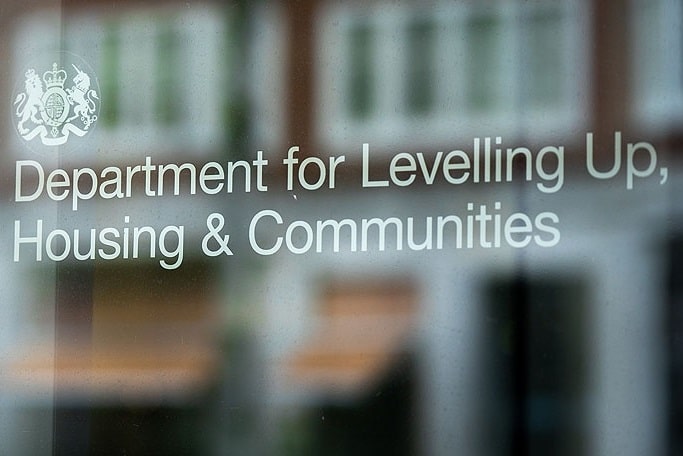

Deputy Prime Minister Angela Rayner has reinstated the department’s original name, Ministry of Housing, Communities & Local Government.
- Boris Johnson previously rebranded it as the Department for Levelling Up, Housing & Communities.
- Rayner emphasised a return to essential governance, moving away from political slogans and stunts.
- The ministry aims to deliver substantial change through a ‘Take Back Control Act’.
- Local governments are to receive enhanced, integrated funding for greater reliability and planning.
In a decisive move marking a shift in governmental approach, Deputy Prime Minister Angela Rayner has officially reverted the name of her department to the Ministry of Housing, Communities & Local Government. This change restores the original title, following a period under Boris Johnson’s leadership when the department was known as the Department for Levelling Up, Housing & Communities (DLUHC).
Rayner, addressing her staff, highlighted the importance of moving beyond superficial political strategies, stating, ‘No more gimmicks, no more slogans, but the hard yards of governing in the national interest.’ Her emphasis is on returning the focus of the ministry to its fundamental responsibilities such as affordable housing, community empowerment, and reinforcing local government structures.
She further underscored the government’s commitment to addressing regional disparities, criticising past efforts as inadequate. Rayner’s plan includes the implementation of the ‘Take Back Control Act’, which seeks to empower regional authorities, particularly mayors, and facilitate local population involvement in decision-making processes. This act is part of a broader strategy to stimulate growth across all UK regions, recognising the ambitions previously curtailed by insufficient governmental support.
Central to Rayner’s vision is the overhaul of financial allocations to local governments. By introducing long-term integrated funding settlements, the aim is to provide local leaders with the assurance needed for reliable planning and implementation of services. This adjustment intends to restore local government as a dependable entity, serving local communities effectively.
The renaming and reorientation of the department signal a significant policy shift towards substantial, grassroots governance.
