

Royal Mail is pivoting towards eco-friendly delivery methods by reducing its reliance on domestic flights, aiming to lower carbon emissions and enhance delivery reliability.
- The postal company will transport more mail by road, cutting 18 domestic routes while only retaining essential flights for its universal service obligations.
- This shift is projected to save around 30,000 tonnes of carbon dioxide annually and increase capacity for next-day deliveries by utilising road transport.
- The changes align with Royal Mail’s goal to achieve net zero emissions by 2040, with significant strides already made through its use of renewable energy sources.
- Royal Mail boasts the largest electric vehicle delivery fleet in the UK, which will soon be expanded with an additional 2,100 electric vans.
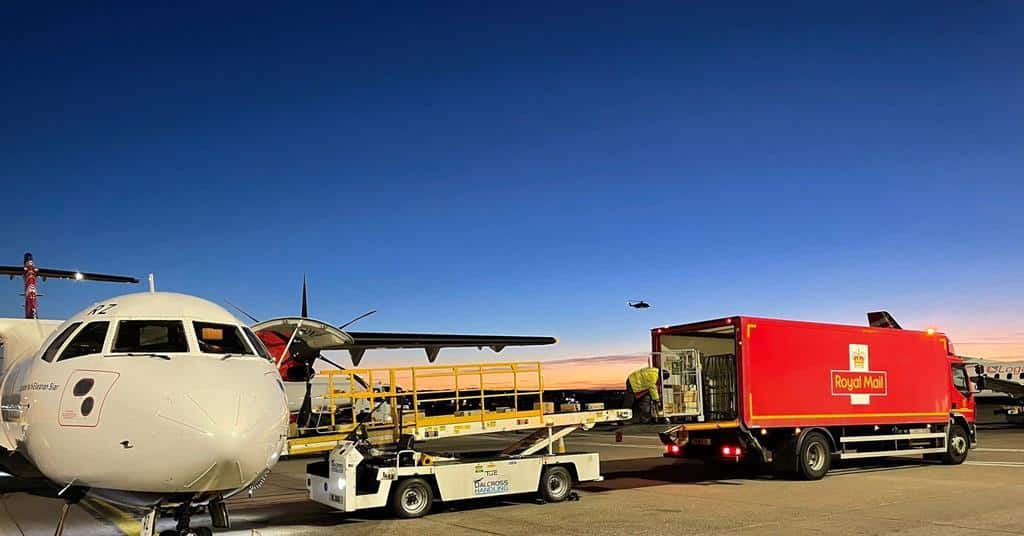
Royal Mail is embarking on a major transformation to its mail delivery strategy by reducing its dependence on domestic flights. By opting for road transport instead, the company aims not only to minimise carbon emissions but also to improve service reliability. Crucially, this transition involves cutting 18 domestic flights, which previously connected London and the South East with Scotland and Northern Ireland, while retaining only those essential for the postal service’s universal delivery commitments.
Significantly, this initiative is expected to result in an annual reduction of approximately 30,000 tonnes of carbon dioxide equivalent. The strategic move comes at a time when the demand for next-day deliveries is surging. The reliance on road transport, as opposed to air, offers a more dependable solution, particularly during adverse weather conditions that could otherwise disrupt flight schedules.
Royal Mail’s Chief Operating Officer, Alistair Cochrane, acknowledges this shift in operations as the company’s largest step towards diminishing its airborne mail transport and a critical stride in meeting its 2040 net zero emission target. The complete phasing out of the initial eleven flights occurred last month, with three more scheduled to cease by 20 July, and the final four early next year.
The HGV fleet operated by Royal Mail notably contributes to these efforts. By running partially on hydrotreated vegetable oil (HVO), these vehicles are part of a broader push to utilise renewable energy. HVO reduces direct greenhouse gas emissions by as much as 90%. Moreover, Royal Mail operates the UK’s largest electric vehicle delivery fleet, with approximately 5,000 electric vans already in service and a planned addition of over 2,000 more within the next year.
Additionally, there is an ongoing corporate development with Czech billionaire Daniel Křetínský making an offer to purchase shares from Royal Mail staff shareholders. This move forms part of his broader strategy to acquire the postal company, where lobbying efforts are already underway to persuade investors.
This comprehensive shift to road transport marks a pivotal reduction in Royal Mail’s carbon footprint, paving the way towards its net-zero goals.
