

In a bid to secure the future of historic buildings, new guidelines promote energy efficiency in listed and old structures.
- Historic England highlights overheating issues in historic buildings, advocating for retrofitting solutions.
- About 25% of the UK’s buildings are over a century old, necessitating adaptation for sustainability.
- Advice Note 18 instructs stakeholders on energy-efficient upgrades without compromising heritage.
- While aimed at experts, the advice serves building owners with practical adaptation strategies.
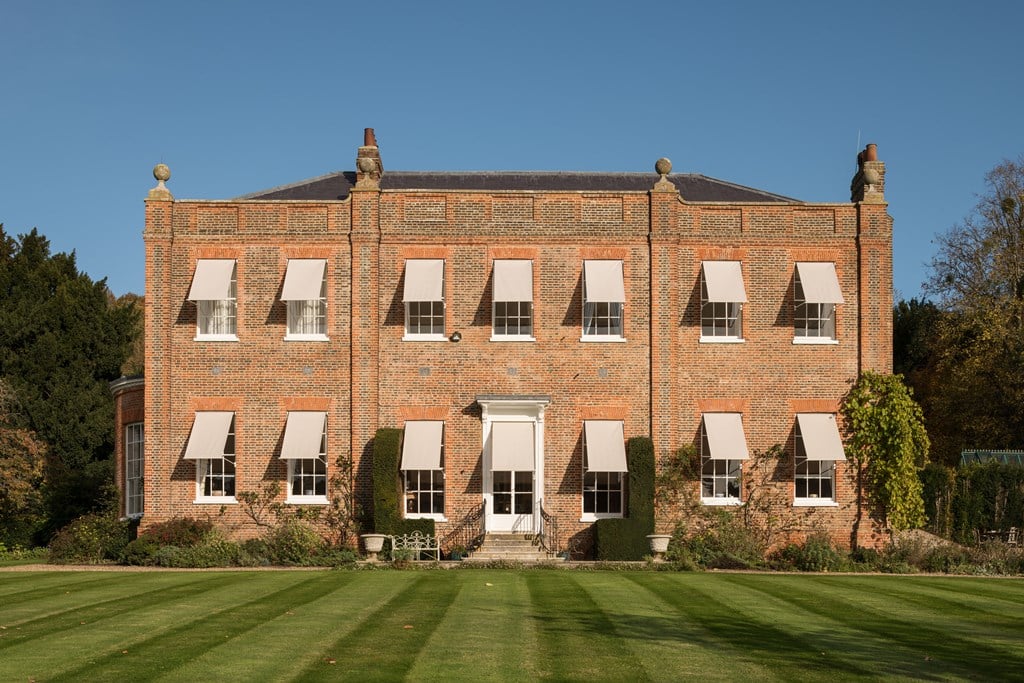
Historic England’s latest publication offers comprehensive advice on adapting historic buildings to meet modern energy efficiency standards. The guidance aims to mitigate overheating problems, as evidenced by historic buildings on the southwest elevation that suffer during summer months. By identifying and implementing measures like external blinds, these structures can be made more habitable while preserving their historical integrity.
The urgency to retrofit is underlined by the fact that approximately a quarter of the UK’s building stock is over 100 years old. Such adaptation is critical not only for transitioning to a Net Zero society but also for maintaining these edifices as viable and efficient spaces. Historic England underscores the dual benefits of retrofitting: reducing both carbon emissions and reliance on fossil fuels.
The publication’s primary audience comprises local planning authorities and heritage consultants, though its relevance extends to building owners and occupiers. By detailing necessary permissions, such as listed building consent, it guides stakeholders through the bureaucratic maze inherent to improving energy efficiency. This document also provides resources that assist in navigating the regulatory landscape, ensuring proposals for decarbonisation are well-founded and actionable.
Guidance within the document includes considerations for heat pumps, insulation, and renewable energy integrations like solar panels. It equips readers with the knowledge to address concerns specific to listed buildings, ensuring conservation does not hinder progress. Furthermore, it highlights potential adaptations, illustrating effective strategies through case studies where energy savings complement historical preservation.
Ian Morrison, director of policy and evidence at Historic England, articulates the document’s aim, emphasising how the sustainable use and reuse of historic buildings present a tangible response to climate change impacts. The advice is designed to provide clarity and actionability, facilitating the responsible adaptation of heritage assets.
This guidance signifies a crucial step in integrating heritage conservation with energy efficiency in historic buildings.

