
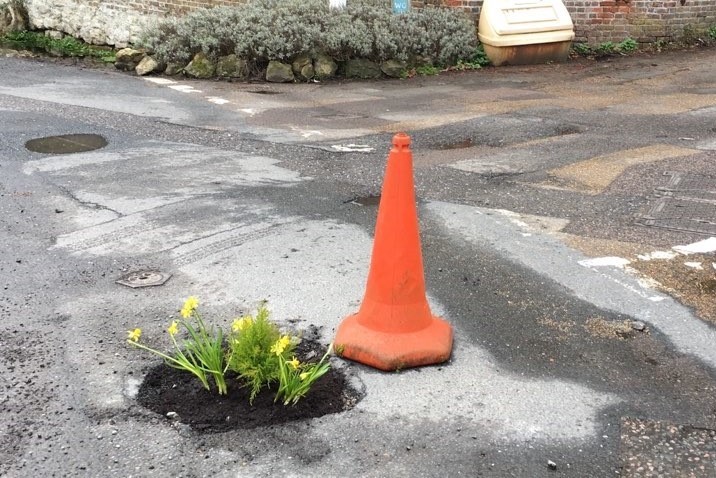

A recent report by the National Audit Office (NAO) reveals the worsening state of Britain’s local roads, highlighting inadequate oversight by the Department for Transport (DfT).
- The backlog of necessary maintenance work on local roads has increased, hampering preventative measures and yielding poor financial value.
- The DfT lacks comprehensive data on the current condition of local roads, affecting the allocation of funding and the monitoring of improvements.
- With the rising complexity in managing local networks, including climate change and new vehicle technology, the DfT’s current approach is insufficient.
- The Asphalt Industry Alliance echoes the NAO’s findings, calling for targeted, accountable funding to tackle the road maintenance backlog.
The National Audit Office report indicates a deteriorating state of local roads in England, largely due to an increasing backlog of maintenance that local authorities are struggling to address. This backlog impedes their ability to perform essential preventative work, which could otherwise provide better value for money.
Currently, the Department for Transport (DfT) is not fully aware of the extent of the problem. The report criticises the DfT for not demanding complete data from local councils, ostensibly to avoid overburdening them. Consequently, this lack of data hinders effective fund allocation, making it unclear whether the investments in road maintenance have been successful.
DfT’s capital funding ranges between £1.1bn and £1.6bn annually, with plans set for increased funding up to 2034. However, without a better grasp of the road conditions, this funding does not necessarily translate into improvements. There is a critical need for DfT to update its guidance to local authorities to maximise the impact of limited resources.
The complexity of managing local road networks is escalating with climate change and the rise of autonomous vehicles. Although DfT has secured additional funding, the department must revise its current strategies to help local councils meet these new challenges effectively.
In 2019, the estimated cost to remedy the road maintenance backlog ranged from £7.6bn to £11.7bn. By 2023/24, projections from the Asphalt Industry Alliance placed this figure at a staggering £15.6bn. This estimation underscores the inadequacy of current maintenance efforts and the urgent need for improved data collection and resource allocation strategies.
The Asphalt Industry Alliance, whose annual surveys align closely with the findings of the NAO, emphasises the necessity for sustained, transparent funding mechanisms. These measures are crucial to enabling local authorities to undertake proactive maintenance and significantly enhance road conditions for all users.
Addressing deficiencies in oversight and funding allocation is crucial for the DfT to improve local road conditions significantly.
