
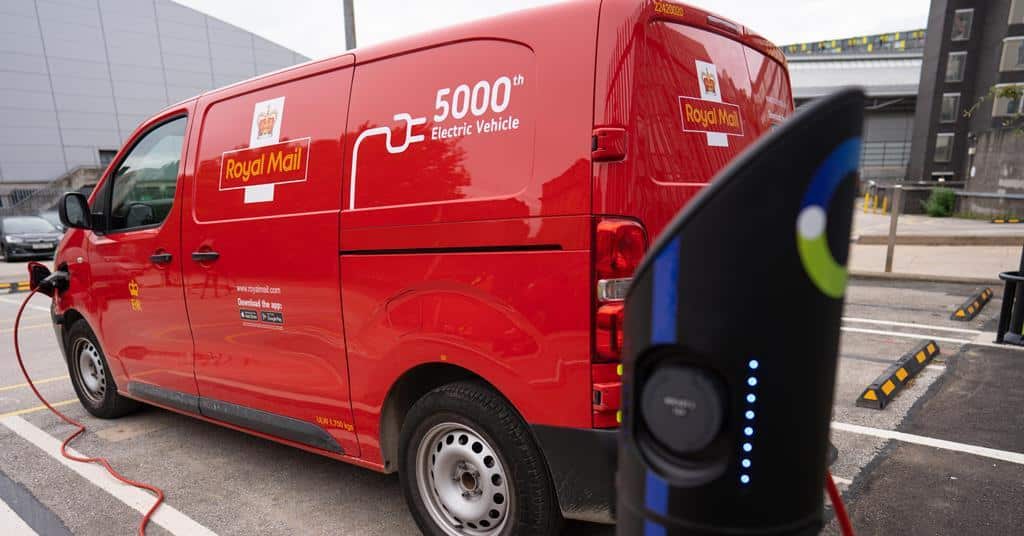

Royal Mail is set to expand its electric fleet, adding 2,100 new electric vans over the next year to push towards its net zero goals by 2040.
- The new electric vans will proudly display the King’s cruciform and livery, marking a first for these vehicles.
- This addition will boost Royal Mail’s electric fleet to 7,100 vans, enhancing its already substantial sustainable transportation initiative.
- Anticipated to roll out from August, more than half of these vans are expected to be operational by Christmas.
- The move is expected to cut Royal Mail’s carbon emissions by approximately 6,000 tonnes annually.
Royal Mail’s commitment to environmental sustainability takes a significant leap forward with the planned introduction of 2,100 new electric vans, furthering its ambition to achieve net zero emissions by 2040. These vans, adorned with the King’s cruciform and livery, will be a novel addition to the roads, with the rollout commencing in August. By Christmas, over half of these vehicles are expected to be operational, supporting Royal Mail’s extensive delivery network across the UK.
This strategic initiative will expand Royal Mail’s electric fleet to a total of 7,100 vehicles, consolidating its position as the largest electric vehicle operator within the UK. The majority of these vans will be charged on-site at Royal Mail’s delivery offices, utilising a 100% renewable electricity supply, exemplifying the company’s dedication to sustainable practices. The transition to electric vans underscores a pivotal shift in Royal Mail’s operational strategy, aligning with broader environmental targets and community benefits, such as the reduction of noise and air pollution.
The environmental impact of this conversion is substantial, with the potential to lower Royal Mail’s carbon emissions by around 6,000 tonnes annually. Jenny Hall, Director of Corporate Affairs at Royal Mail, emphasised the broad advantages of electric vehicles: “We are proud to take another big step towards our target to be net zero by 2040. Electric vehicles provide a wide range of benefits, reducing noise and air pollution in local communities as well as reducing our impact on the environment. We want as many customers as possible can benefit from zero-emission deliveries to their doorstep.”
In addition to the adoption of electric vehicles, Royal Mail is actively integrating innovative solutions by using hydrotreated vegetable oil to fuel its heavy goods vehicles (HGVs). This practice has already resulted in savings of over 30,000 tonnes of carbon dioxide equivalent, demonstrating a proactive approach to reducing overall fleet emissions. Such measures indicate a forward-thinking strategy that addresses current environmental challenges while catering to the demands of modern logistics.
Furthermore, in an effort to reduce carbon emissions and enhance service reliability, Royal Mail plans to minimise the number of domestic flights, opting to send more mail via road. This transition focuses not only on reducing environmental impact but also on improving logistical efficiency.
Royal Mail’s forward-thinking initiatives in expanding its electric fleet and adopting sustainable practices highlight its commitment to reducing carbon emissions while enhancing service reliability for its customers.
