
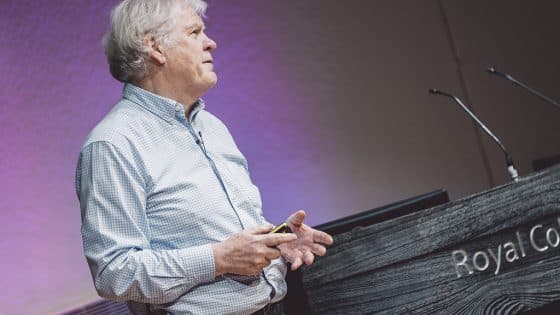

Paul Morrell, former chief construction adviser, expressed surprise at omissions in the Grenfell Tower Inquiry report.
- The report did not explore the toxicity of construction products, raising concerns from experts like Morrell.
- Morrell highlighted the failure to examine the industry’s ability to learn from past disasters.
- He also raised alarms about safety risks in under-regulated, offsite construction practices.
- Recommendations were made to address fire risks and ensure product safety in modern construction methods.
Paul Morrell, who served as the government’s chief advisor on construction, voiced his surprise at the significant omissions in the final Grenfell Tower Inquiry report, particularly regarding the toxicity of construction products. Speaking at the NBS Construction Leaders’ Summit, he pointed out the inability of the inquiry’s expert toxicologist to distinguish between the impacts on victims caused by carbon monoxide from smoke and hydrogen cyanide from construction products. Morrell remarked on the irony of identifying smoke as the sole lethal factor, emphasising the need to consider the toxic implications of chemicals added to enhance fire resistance in construction materials.
In a joint review conducted in 2023 alongside lawyer Anneliese Day, Morrell underscored the absence of a general requirement for testing the toxicity of products in the event of a fire. The review revealed a prevalent belief that manufacturers often integrate potentially toxic chemicals to boost fire performance. According to Morrell, these concerns represented one of two notable omissions in the inquiry. He also anticipated a more detailed exploration of how the construction industry could learn from previous disasters, a matter he acknowledged might have been outside the inquiry’s terms of reference.
During his keynote address, Morrell also expressed serious reservations about the safety risks associated with under-regulated and under-supervised offsite construction. He noted a high probability of future disasters stemming from this approach, particularly highlighting products that are heavily reliant on adhesives and the limited oversight they receive compared to traditional construction methods. Morrell questioned which regulatory body, if any, was responsible for offsite fabrication before such modules reach the construction site, pointing to the potential jurisdiction of the Office for Product Safety and Standards (OPSS) or the Building Safety Regulator (BSR).
In their independent review, Morrell and Day recommended collaborative efforts from both government and the construction industry to tackle the special fire risks posed by modern construction practices. These risks include the presence of combustible materials within structural frames and voids in modular constructions. Morrell asserted that the industry bears a fundamental duty to ensure the safety of offsite construction and to thoroughly assess the risks associated with each product prior to its installation.
The Grenfell Tower Inquiry’s oversight on key safety aspects signals a need for comprehensive reforms in construction practices.
