
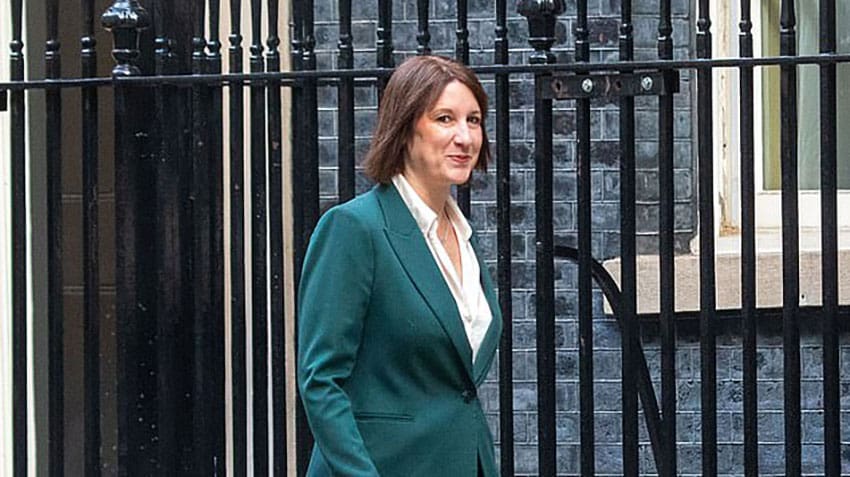

Chancellor Rachel Reeves unveils a new fiscal measure aimed at unlocking £50 billion for investment, enhancing economic growth while ensuring fiscal discipline.
The initiative shifts focus from traditional debt rules to public sector net financial liabilities, accounting for governmental assets, promising additional headroom for vital projects.
Introduction of a New Fiscal Measure
A new fiscal measure by Chancellor Rachel Reeves aims to unlock £50 billion for long-term capital investment projects, ensuring economic growth while upholding fiscal discipline. This strategic shift from traditional methods focuses on public sector net financial liabilities (PSNFL) relative to GDP, accounting for governmental assets.
The current mandate requiring public sector debt reduction over five years will be replaced. This change is supported by the Institute for Fiscal Studies, predicting an additional headroom of £53 billion. This is expected to empower significant new investments without compromising financial stability.
Targeted Investment and Fiscal Discipline
Rachel Reeves emphasises that additional borrowing will strictly fund investment projects, excluding everyday expenses and tax cuts. Analysts anticipate up to £25 billion in government borrowing, setting aside £30 billion as a buffer.
Investments are planned for green energy, education, and infrastructure, aligned with a “stability rule” to balance spending and revenue within five years. This initiative aims to counteract the projected decline in public investment from 2.5% of GDP to 1.7% over five years.
Market Reactions and Economic Endorsements
UK bond yields witnessed a slight uptick post-announcement as investors adjusted to the expected Treasury debt changes, maintaining a generally calm market response.
While UK bonds underperformed compared to German and U.S. counterparts, market reactions to the PSNFL shift remained stable. The IMF supports the policy shift, reflecting its advice to maintain investment spending. Reeves is set to discuss these plans further with IMF leadership.
Ambitions for Economic Growth
The debt rule adjustment is central to Reeves’ strategy to reverse the UK’s diminishing investment trend, framing it as a choice between “investment or decline.”
Reeves argues that sustained investment is vital for long-term economic stability, contrasting Labour’s approach with previous budgets forecasting reduced capital investment.
This adjustment signifies a crucial reform in fiscal policy aimed at preserving the UK’s economic trajectory, ensuring it meets global investment standards.
Industry and Expert Feedback
Experts like Deutsche Bank’s Sanjay Raja note the underperformance of UK bonds while supporting the decision’s rationale. Barclays’ Jack Meaning comments on market stability amid these fiscal shifts.
Industry reactions indicate a cautiously optimistic outlook, pointing to the need for sustained investment while acknowledging the potential risks involved.
Potential Impacts and Future Outlook
This policy represents a transformative approach towards addressing investment shortfalls and sets the stage for potential growth and competitive positioning globally.
The framework is designed to offer financial stability and economic progression, supporting areas crucial to national advancement.
As this policy unfolds, the UK’s ability to adapt and grow within the global market-context will be tested, highlighting the importance of strategic fiscal management.
Rachel Reeves’ fiscal strategy marks a pivotal shift towards strategic investments, balancing growth with fiscal responsibility, as the UK navigates economic challenges.
This approach underscores the importance of maintaining investment levels, crucial for securing the UK’s economic future amid global competitiveness.
