
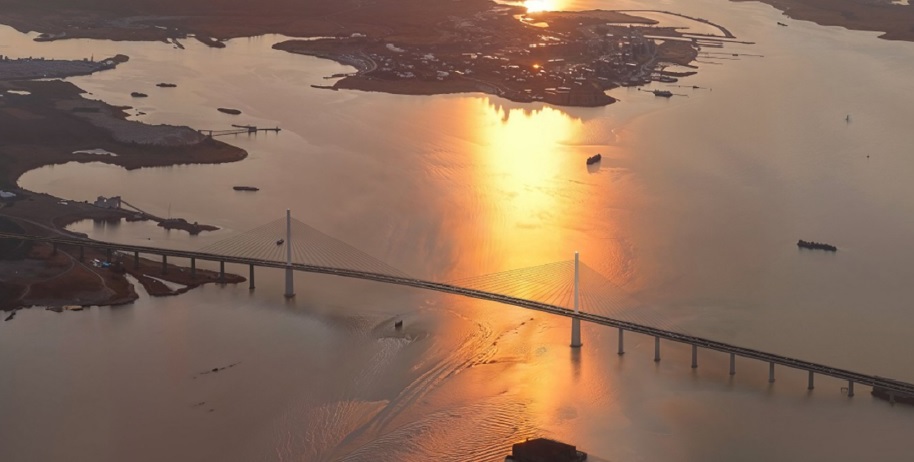

A renowned Italian construction firm is offering Baltimore a new bridge design pro bono.
- The proposal aims to replace the Francis Scott Key Bridge, which collapsed in March.
- Created by noted architect Carlo Ratti and engineer Michel Virlogeux, the designs promise increased safety.
- Webuild, involved in Genoa’s bridge reconstruction, leads the initiative, showcasing expertise and solidarity.
- The construction plan proposes enhancements in navigable clearance, span, and traffic flow.
In a commendable gesture of solidarity, a prominent Italian construction firm, responsible for rebuilding Genoa’s Ponte Morandi, has submitted pro bono designs to replace Baltimore’s collapsed Francis Scott Key Bridge. The collapse, which occurred in March, tragically resulted in the loss of six lives, underscoring the urgent need for reliable infrastructure solutions. This initiative is a transatlantic proposal aimed at restoring a crucial transit link.
The designs have been conceptualised in collaboration with the distinguished architect Carlo Ratti from MIT and eminent French engineer Michel Virlogeux, known for his work on the Vasco da Gama Bridge and the Millau Viaduct. Together, they have proposed a cable-stayed bridge design, offering structural integrity and navigational safety, even for large vessels.
Webuild and its US subsidiary, Lane, have submitted these plans without charge to demonstrate friendship and cooperation with the United States. Webuild’s CEO, Pietro Salini, communicated this offer to key transportation and government officials, highlighting the importance of resuming local mobility and economic activities hampered by the bridge’s collapse.
The preliminary proposal suggests a significant increase in the navigable clearance to 213 feet and an expanded span of approximately 2,300 feet. This design strategically places pylons in shallower waters away from vital navigation channels, minimising risks similar to those experienced on 26th March. Importantly, the bridge’s carriageway includes an additional lane and widened emergency lanes to accommodate increased traffic.
In addressing the logistical and commercial significance of this infrastructure, Salini drew parallels to the Genoa Bridge reconstruction. Completed under pandemic constraints, it serves as a testament to Webuild’s capability and commitment to swift, effective civil engineering solutions that respond to modern urban needs. As articulated by Carlo Ratti, the proposed structure not only aims to physically reconnect the divided city but also to reinvigorate it socially and economically, which are essential objectives for infrastructure in the 21st century.
The Italian proposal represents a pivotal opportunity to enhance Baltimore’s connectivity and resilience.
