

In a strategic move to bolster UK infrastructure, the government has announced substantial investments.
- Prime Minister Sir Keir Starmer revealed over £24 billion in private investments targeted at pioneering energy projects.
- Holtec, BW Group, and SeAH are among the major contributors to nuclear and renewable energy sectors.
- DP World plans a £1 billion expansion at London Gateway, enhancing logistics capabilities.
- Skills shortage concerns were raised, with a call for an additional 250,000 construction workers.
In a strategic move to bolster UK infrastructure, the government has announced substantial investments aimed at driving economic growth. Prime Minister Sir Keir Starmer, ahead of a global investment summit in London, disclosed deals for projects across the United Kingdom. With a renewed pledge to streamline planning processes, the government aims to expedite the delivery of major projects, creating a fertile environment for business growth.
Prime Minister Sir Keir Starmer revealed over £24 billion in private investments targeted at pioneering energy projects. This significant investment promises the creation of thousands of jobs in green industries nationwide, spanning regions from Yorkshire to Suffolk. Starmer emphasised the government’s commitment to fostering conditions for business prosperity, positioning the International Investment Summit as a catalyst for UK-wide innovation and growth.
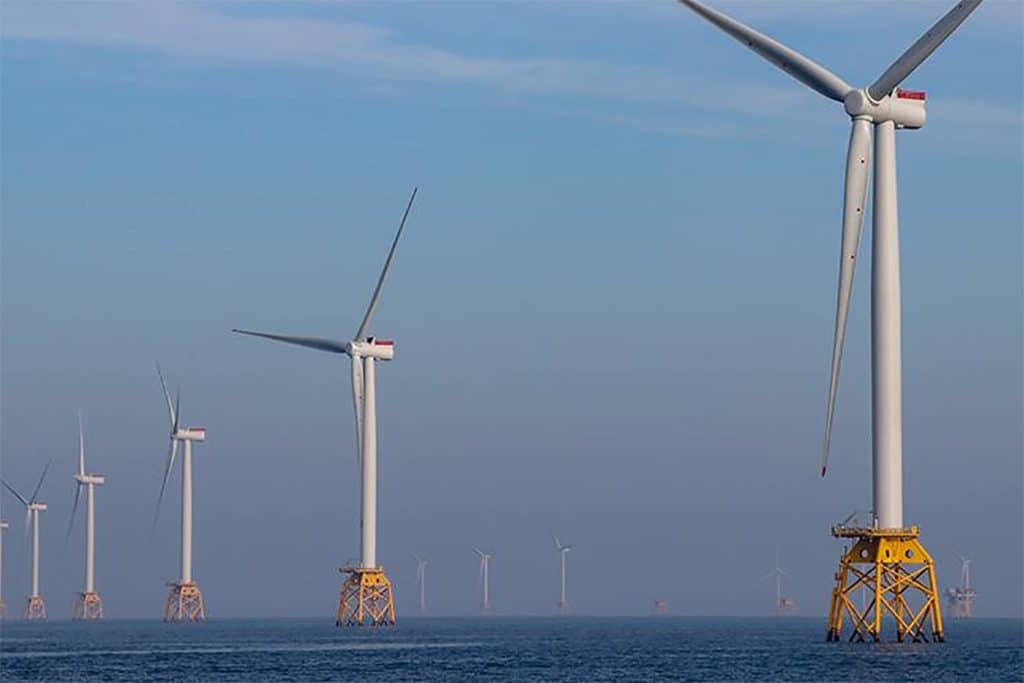
Holtec, BW Group, and SeAH are among the major contributors to nuclear and renewable energy sectors. Holtec has committed to constructing a £325 million factory in South Yorkshire dedicated to nuclear components. Meanwhile, BW Group is proceeding with a £300 million battery storage project in Birmingham, and SeAH is investing an additional £225 million in wind-tech manufacturing facilities in Teesside, highlighting the diverse investment in sustainable energy initiatives.
DP World plans a £1 billion expansion at London Gateway, enhancing logistics capabilities. This expansion will introduce two new shipping berths, increasing the total to six, alongside additional warehousing capacity and a second rail terminal. This development, valued at £1 billion, is set to create 400 new permanent jobs, augmenting the existing workforce and enhancing the site’s logistics infrastructure.
Skills shortage concerns were raised, with a call for an additional 250,000 construction workers. Brian Berry, chief executive of the Federation of Master Builders, noted the dependency of Labour’s growth plans on an expanded workforce. The construction sector’s need for more skilled workers is critical to realising the ambitious infrastructural goals and supporting ongoing and future developments.
These strategic investments mark a pivotal step towards energising the UK’s economic growth through enhanced infrastructure.
