

Hotel prices expected to ascend into 2025 with reduced velocity, driven by evolving travel dynamics.
- A comprehensive study by American Express GBT indicates moderated hotel rate hikes due to changes in leisure travel demand and hotel development.
- New York, Nordics, and India identified as regions experiencing notable room rate variations, influenced by local market conditions.
- Despite global inflation dropping, hotel rates remain elevated due to factors such as labour shortages and wage growth.
- Adoption of AI and smart technology in hotels supports enhanced guest experience and operational efficiency.
According to the latest findings, global hotel prices will continue their upward trajectory into 2025, albeit at a more moderate pace compared to recent years. This development is attributed to changing patterns in leisure travel demand along with an increase in hotel construction activities worldwide. The American Express Global Business Travel (Amex GBT) consulting team provides these insights in the Hotel Monitor 2025 report.
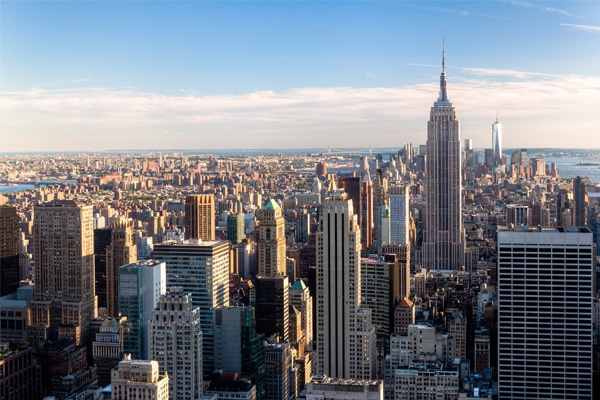
The report highlights distinct geographical differences. In North America, New York stands out with significant price increases, partly because of restrictions on short-term rentals. Meanwhile, the Nordics in Europe are also seeing some of the highest spikes in room rates, driven by improving economic prospects predicted for 2025. India, with its robust economic growth, is exerting pressure on both domestic and inbound travel accommodation costs.
Despite forecasts from the International Monetary Fund (IMF) predicting a decline in global inflation, hotel rates persistently rise. Key contributing elements include widespread labour shortages and increasing wage demands. A construction boom in the hotel sector is notable, with new developments chiefly taking place in the US, China, India, Canada, and Saudi Arabia, enhancing supply.
Technological advancements are increasingly prevalent within the hospitality sector, significantly transforming both hotel operations and guest experiences. AI-driven systems are streamlining routine tasks such as room allocations, thus allowing hotel staff to concentrate more on guest services. Meanwhile, smart room technologies provide guests the ability to tailor their in-room environment according to personal preferences, positioning rooms as customised sanctuaries.
The demand for unique features and wellness options is rising, prompting hotels to offer amenities such as in-room fitness apparatus and workout attire. Additionally, sustainability remains central to hotel strategies, necessitated by corporate and traveller eco-conscious goals, with data access being crucial for meeting these aims. Extended-stay accommodations are gaining traction, especially in Asia, catering to preferences for flexibility and longer stays.
Dan Beauchamp, Amex GBT’s Vice President of Consulting, remarks on the evolving travel market, noting that while the stabilisation process is favourable for consumers, the prevailing high costs continue to challenge companies managing corporate hotel programmes. The importance of data-driven strategies for effective hotel sourcing and maintaining robust supplier relationships is emphasised. Creative sourcing tactics, such as diverse room rate negotiation and utilising negotiated rates from travel management companies, are advisable strategies for expanding options in less frequented cities.
The study portends a stabilised, yet challenging hotel market climate, requiring innovative strategies for cost-effective operations.
