
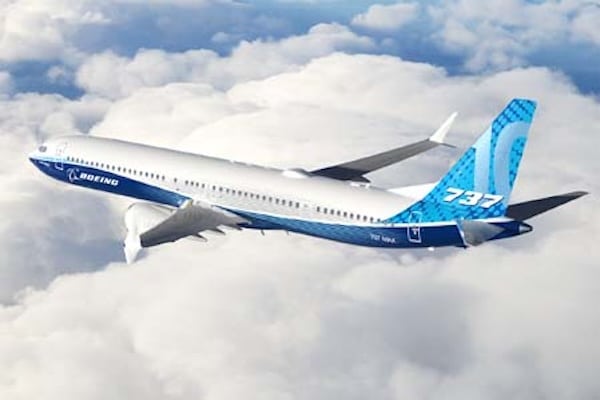

The ongoing strike by Boeing workers escalates as a proposed 35% pay increase was turned down. This decision highlights the growing discontent among employees and puts additional pressure on the aerospace giant.
With a significant portion of its workforce involved, Boeing faces operational disruptions at a critical time as it navigates financial challenges. The rejection reflects deeper issues within the company that need addressing.
The Boeing strike began on September 13, involving more than 30,000 workers dissatisfied with previous offers. Their ongoing walkout is spearheaded by the International Association of Machinists Aerospace Workers (IAM), who are advocating for better employment conditions. This movement comes amidst Boeing’s financial distress, as recent reports revealed a staggering $6 billion loss in the third quarter.
Boeing CEO Kelly Ortberg has acknowledged these challenges, emphasising the company’s commitment to resolve the ongoing dispute. Ortberg has also pinpointed the erosion of trust and the company’s hefty debts as significant hurdles to overcome. Yet, despite these assurances, workers remain unconvinced.
CEO Ortberg, who assumed his role in August, expressed a strong desire to recalibrate Boeing’s strategic direction. His focus lies in stabilising the business, improving programme execution, and fundamentally altering the company culture, aiming to restore its legacy as an industry leader.
The union’s call for workplace democracy has been evident in their voting outcomes, as members exercise their right to accept or reject proposals. They argue that continuous mistreatment by Boeing will inevitably lead to further organisational challenges.
Addressing these reputational challenges requires a cohesive strategy that aligns with Boeing’s operational goals. Ortberg’s attempts to mend relationships underscore his awareness of the critical need to restore internal and external trust.
The situation requires an agile approach that embraces transparency and respects workers’ rights. Boeing’s leadership is tasked with not only addressing immediate concerns but also ensuring sustainable long-term stability through proactive and empathetic engagement.
Boeing’s challenges are multi-faceted, with financial woes, employee dissatisfaction, and operational disruptions to overcome. A resolution demands not only strategic realignment by leadership but also genuine reconciliation with its workforce to rebuild trust and secure its future stability.
Boeing’s crisis is a complex interplay of financial, labour, and operational difficulties. Holistic and responsive strategies are essential for resolving ongoing disputes and restoring the company’s standing. The path forward lies in collaborative efforts to address the root causes of discontent and pave the way for a renewed organisational ethos.
