
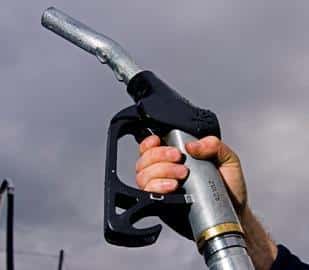

Recent research by Allstar indicates a slow decline in pump prices.
- Brent Crude oil prices significantly influence fuel costs.
- Regional differences in the UK impact fuel pricing.
- Electric vehicle adoption by fleets is rapidly increasing.
- Labour government reinstates 2030 petrol and diesel ban.
Prices at petrol stations have been gradually decreasing, as observed from a comprehensive study conducted by Allstar. Utilising a vast dataset from their extensive fuel card network, the research highlights a decrease in average petrol prices by 7.26p to 143.34p, and diesel by 6.1p to 158.5p.
The modulation in fuel costs is largely tied to the price of Brent Crude oil, which has seen a notable drop since its peak triggered by geopolitical events, particularly the conflict in Ukraine. The US Energy Information Administration forecasts a stable market as supply and demand reach equilibrium, projecting persistence of current trends into 2025.
Despite the overall reduction, significant regional disparities remain, with Dumfriesshire regularly witnessing higher prices, while Antrim benefits from lower costs, partially due to cross-border competition with the Republic of Ireland. Such differences underscore the necessity for consumers to remain vigilant in their purchasing strategies to optimise fleet expenditure.
Paul Holland, overseeing UK and ANZ Fleet operations at Corpay, suggests the market will likely maintain this balance, allowing consumers temporary reprieve. However, he emphasised the potential for unexpected geopolitical disturbances to alter this stability and recommends staying informed on global developments.
In alignment with environmental objectives, the new Labour government has reaffirmed its commitment to reinstating the 2030 ban on new petrol and diesel vehicles, previously deferred to 2035. Concurrently, fleet operators are increasingly transitioning to electric vehicles, as evidenced by a 264% surge in the use of public EV chargers by businesses in the first quarter of 2024 compared to the previous year.
The trend towards declining fuel prices offers temporary relief amidst a shifting energy landscape, marked by growing EV adoption and regulatory changes.
