
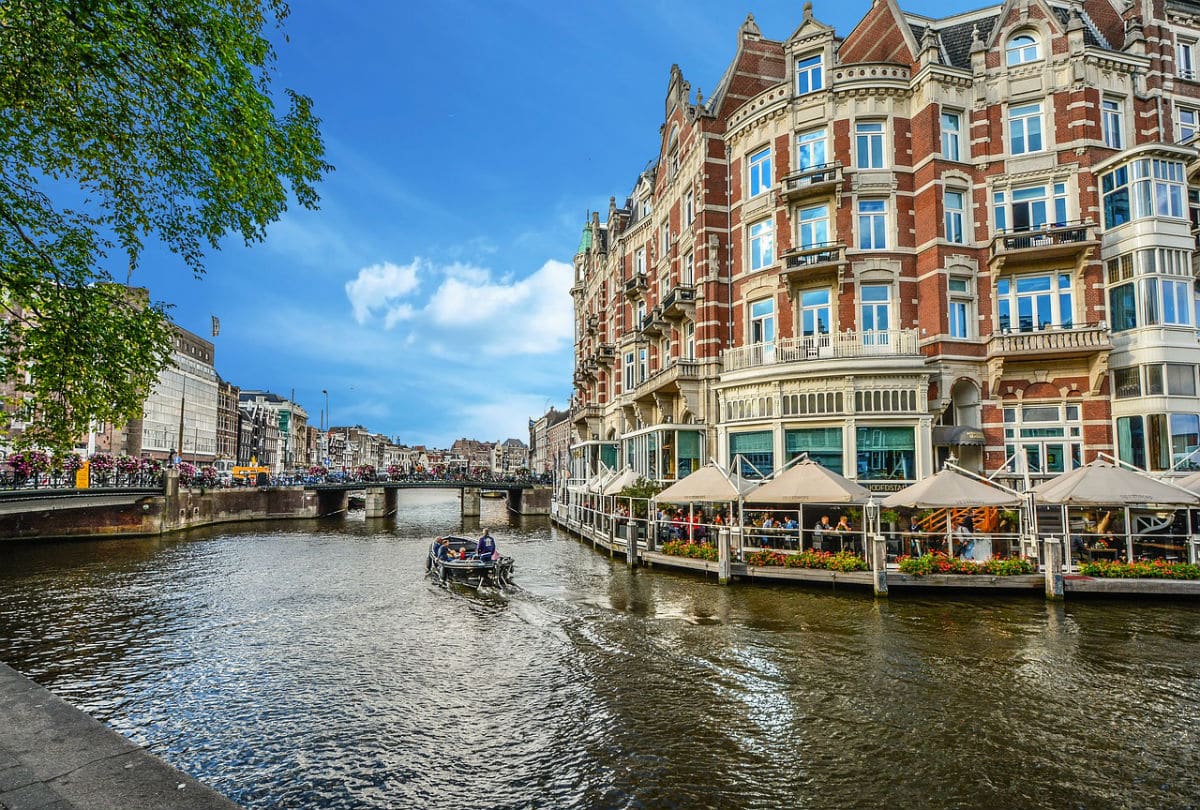

Amsterdam’s decision to ban cruise ships from its city centre has stirred significant debate.
- The move highlights tensions between environmental goals and economic dependence on tourism.
- Critics argue the ban could negatively impact Amsterdam’s local businesses and employment.
- Some view cruise ships as the emblem of mass tourism, contributing to crowded streets and pollution.
- No alternative mooring sites have been proposed, leaving the industry’s future uncertain.
The announcement of a ban on cruise ships in the city centre of Amsterdam has triggered considerable discussions among stakeholders. As Amsterdam’s city council grapples with the challenges of balancing sustainability with economic growth, the decision has brought environmental considerations to the forefront. However, the choice to single out the cruise industry has raised eyebrows, with critics suggesting it represents a misguided attempt to address broader issues of pollution and overcrowding by targeting a singular segment of the tourism industry.
Proponents of the ban argue that Amsterdam is currently overwhelmed by large numbers of tourists, with cruise ships symbolising the peak of mass tourism contamination. More than 100 cruise vessels dock in Amsterdam annually, adding to the strain on the city’s infrastructure and contributing to pollution levels. Environmental advocates within the city’s governing bodies, like D66’s Ilana Rooderkerk, assert that removing cruise ships aligns with Amsterdam’s mandate to reduce tourist numbers and ecological footprints.
However, others express concern over the economic repercussions of the decision. Amsterdam faces high living costs, surpassing those of many global cities, raising questions about the impact on local businesses that rely on tourism. Cruise passengers are often high-spending visitors who contribute significantly to the local economy by frequenting restaurants, shops, and cultural sites. The closure of the central cruise terminal at the River IJ could precipitate job losses and necessitate increased local taxes to offset lost revenues from the tourism sector.
Further complicating the debate is the absence of clear plans for alternative mooring locations for cruise ships. While the possibility of allowing ships to dock outside the immediate city area has been suggested, no concrete proposals have been set forth. This uncertainty leaves the cruise industry in a precarious position, as operators and tourists alike await official guidance on how Amsterdam intends to handle incoming cruise traffic in the future.
Amidst these deliberations, the focus on environmental impacts remains contentious. A 2021 study highlighted that a single cruise vessel could emit as much nitrogen oxide in a day as 30,000 trucks, which is a significant consideration for policymakers. However, the aviation industry, notably Amsterdam’s Schiphol airport, also contributes substantial emissions, further complicating the narrative around the true environmental impact of tourism in the city.
The decision to ban cruise ships in Amsterdam underscores the complex interplay between environmental aspirations and economic imperatives.
