
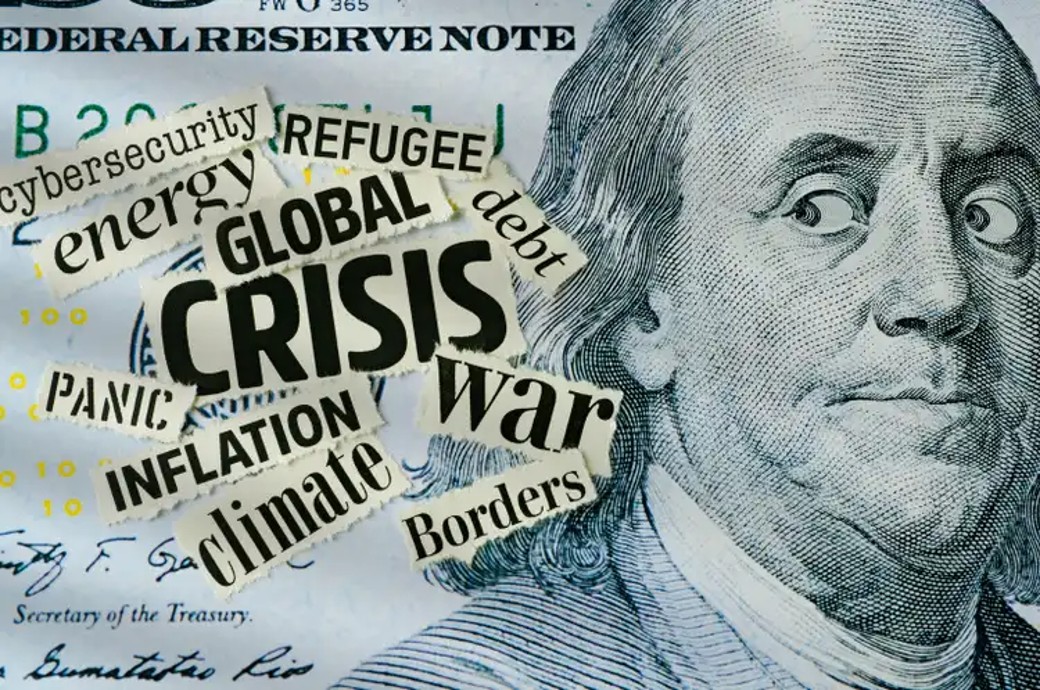

Renowned author Nassim Nicholas Taleb raises alarms about the diminishing role of the US dollar.
Amid de-dollarization trends, Taleb warns of potential global financial impacts.
Taleb highlights policy missteps contributing to the US dollar’s precarious position.
In recent years, the prominence of the US dollar in global trade has shown signs of diminishing. While historically the dollar has been dominant, current data reveals a decline. As of 2024, only 58% of cross-border transactions are settled using the USD, a notable decrease from 71% in 2000. This shift is largely attributed to the ambitious de-dollarization movements initiated by powerhouse nations like Russia and China.
The sanctions imposed on Russia in 2022 marked a turning point, sparking a global reconsideration of reliance on the US dollar. Emerging economies, driven by the desire for autonomy, have increasingly opted for local currencies over the USD. This change reflects a broader strategic move, with countries seeking to reduce their vulnerability to geopolitical tensions and economic pressures related to the US dollar’s dominance.
Renowned for his foresight into unpredictable events, Nassim Nicholas Taleb has voiced his apprehensions regarding the future of the US dollar. Taleb elaborates on the effects of the de-dollarization trend, explaining that if the dollar’s role as a reserve currency continues to erode, it could precipitate significant economic ramifications. He underscores the potential for a ‘black swan’ event, where a sudden, unforeseen shift could destabilize financial markets globally.
Taleb particularly criticises the actions of the Biden administration, suggesting that recent policy decisions have inadvertently contributed to the dollar’s declining status. He points to the 2022 sanctions on Russia and asset confiscations as pivotal missteps that discouraged international confidence in the US currency. ‘It doesn’t encourage people to invest in your currency,’ he warns, highlighting the delicate balance required to maintain economic stability.
The potential repercussions of a weakened US dollar should not be underestimated. Should the current trajectory persist, the American economy might face substantial challenges, including inflationary pressures and market volatility. A diminished role of the dollar in global finance could lead to a decrease in demand for US Treasury securities, thereby increasing borrowing costs for the US government.
Furthermore, a weaker dollar could inflate the cost of imports, thereby exacerbating inflation for consumer goods and impacting the average American consumer. The monetary policy responses required to counter such developments could further strain economic growth, thereby creating a complex scenario demanding nuanced understanding and strategic intervention.
As the significance of the US dollar wanes in global finance, significant implications for the American economy could unfold. Strategic responses will be pivotal to mitigating these risks.
The shifting dynamics of global finance, spurred by de-dollarization efforts, underscore the importance of strategic foresight in monetary policy. As the role of the US dollar evolves, vigilance and adaptability will be crucial for stabilising economic prospects amidst change.
