

Nuclear fusion energy holds the potential for a limitless energy supply but faces significant hurdles to widespread implementation. Recent discussions among experts highlighted key challenges, ranging from scalability to technological limitations. The need for increased material resources, ethical concerns, and rapid construction timelines were pointed out as major issues. Current projects face technological setbacks that impede progress. Addressing these would be pivotal for fusion energy’s future.
Nuclear fusion technology is seen as a promising source of limitless energy due to its ability to produce significantly more power than nuclear fission. The process involves the fusion of the nuclei of two isotopes, particularly deuterium and tritium, which emulate the energy generation in stars. However, sustaining the extreme conditions necessary for nuclear fusion presents formidable challenges.
For nuclear fusion to be realised as a viable global energy source, the issue of scalability must be addressed. At a recent Fusion 24 conference, Niek Lopes Cardozo of Eindhoven University of Technology emphasized the multifaceted nature of scalability, extending from materials to workforce expansion. The sourcing of materials like lithium-6, which are predominantly mined in China through processes deemed environmentally damaging, further complicates scalability.
Cardozo highlighted that the construction of approximately 10,000 fusion power plants is necessary to meet 20-30% of global energy demands. The complexity of building such a vast number of facilities involves logistical considerations and significant environmental responsibility across the supply chain. Moreover, the construction time for these plants needs to be reduced drastically. The importance of accelerated building processes was stressed, with Cardozo noting, “It’s really essential that building a fusion power plant doesn’t take 30 years.”
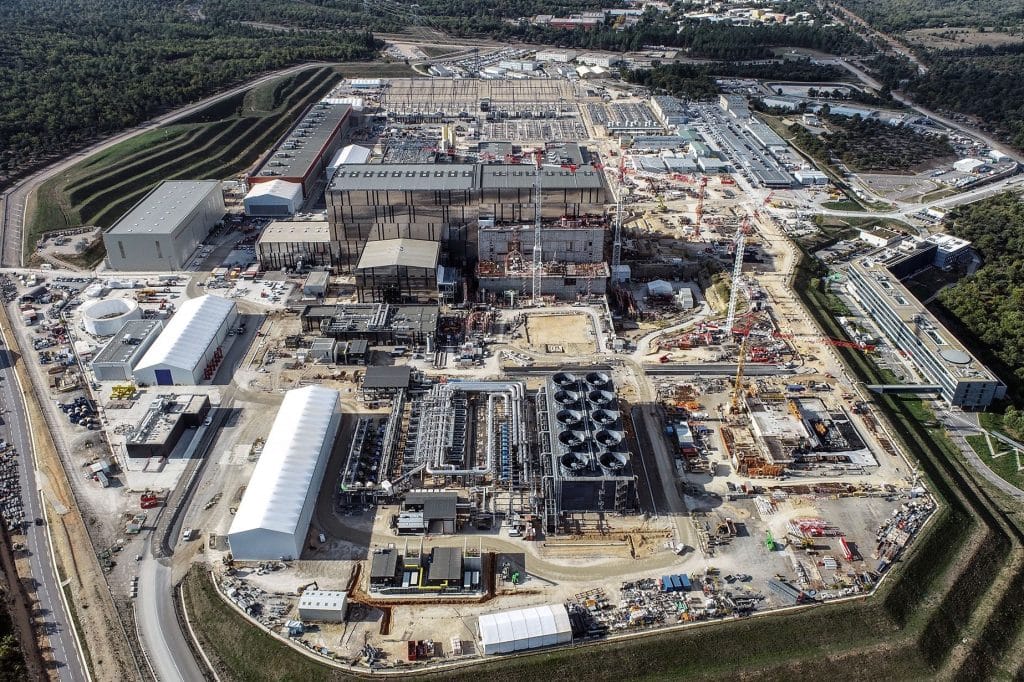
Ongoing fusion projects, such as the International Thermonuclear Experimental Reactor (ITER) and the National Ignition Facility (NIF), face their own hurdles. ITER recently encountered setbacks due to geometric non-conformities in vacuum vessel sectors and corrosion in critical components, necessitating repairs. At NIF, the 20-year-old laser technology presents limitations in operational efficiency and necessitates significant advancement to achieve higher firing frequencies.
Despite the promising energy potential of fusion, technological and logistical challenges continue to impede headway. The need for technological innovation to produce components like efficient lasers and high-quality targets at scale remains crucial. As Cardozo pointed out, “We must shorten the build times and really do everything we can to shorten that innovation cycle.”
Advancements in nuclear fusion technology are crucial for overcoming the current barriers to its widespread adoption as a primary energy source.

