
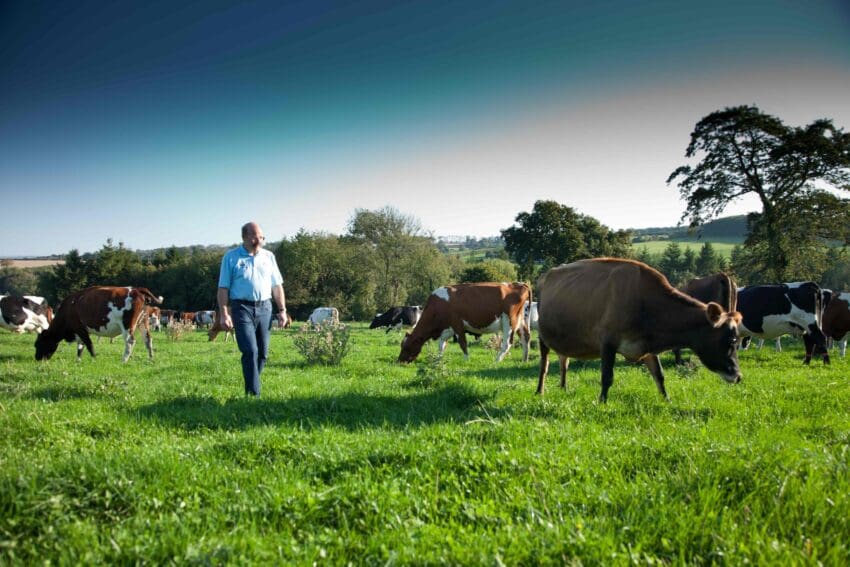

The transformation of England’s agricultural landscape post-Brexit is set to bring substantial changes. A new approach will focus on sustainability and accountability, ensuring that the environment and productivity go hand in hand.
Farmers will see a shift from traditional subsidies to incentives for better practices, marking a historic shift in the policy. The UK government intends to support farmers in adopting new methods while preserving nature.
The British government has unveiled a comprehensive seven-year plan intended to reshape agricultural subsidies. Traditional subsidies, which have been based on land ownership, will be phased out to instead reward farmers for productivity and environmental enhancements.
Under this plan, the government will gradually phase out direct payments per hectare from the EU’s common agricultural policy by 2028. Instead, the funds will focus on public goods such as restoring natural landscapes and boosting biodiversity.
The rapid reduction of direct subsidies raises concerns among farmers. The National Farmers’ Union has warned that the pace at which subsidies are being reduced could render some farms unviable, impacting domestic food production.
The elimination of these subsidies by 2024, along with enabling new entrants through land made available by exit payments, is seen as a double-edged sword.
The government’s plan emphasises the importance of animal welfare. Payments will be directed towards eradicating common diseases among livestock like cattle, pigs, and sheep.
Initiatives include grants for infrastructure improvements such as better holding pens, which aim to minimise animal stress.
A new welfare labelling scheme is anticipated to be introduced, enabling consumers to make informed decisions. This scheme focuses on ensuring higher welfare standards across the industry.
A significant shift is expected with the introduction of the environmental land management scheme (ELM).
This scheme will allocate funds towards ensuring clean air and water, as well as reducing environmental hazards through sustainable land management practices.
The strategy includes aiding aspiring farmers by providing them with opportunities to acquire land and resources through the “exit payment” system.
Furthermore, funding for modern equipment and technology will enhance farm productivity and environmental impact.
By 2024, the regulatory approach aims to distinguish legal obligations from voluntary land management standards, encouraging enhanced practices.
Public funding to support environmental and welfare improvements is set to rise significantly by 2024.
With an increased focus on productivity, investments in training and equipment are expected to be incentivised, ensuring the farming sector remains competitive and sustainable.
The measures set forth under this plan aspire to position the UK as a leader in sustainable agriculture.
This ambitious agriculture overhaul not only aims to enhance productivity but also seeks to provide a template for sustainable farming practices. As the UK navigates this transition, the collaborative efforts of farmers, the government, and stakeholders will be crucial to achieving a balanced and thriving agricultural ecosystem.
