
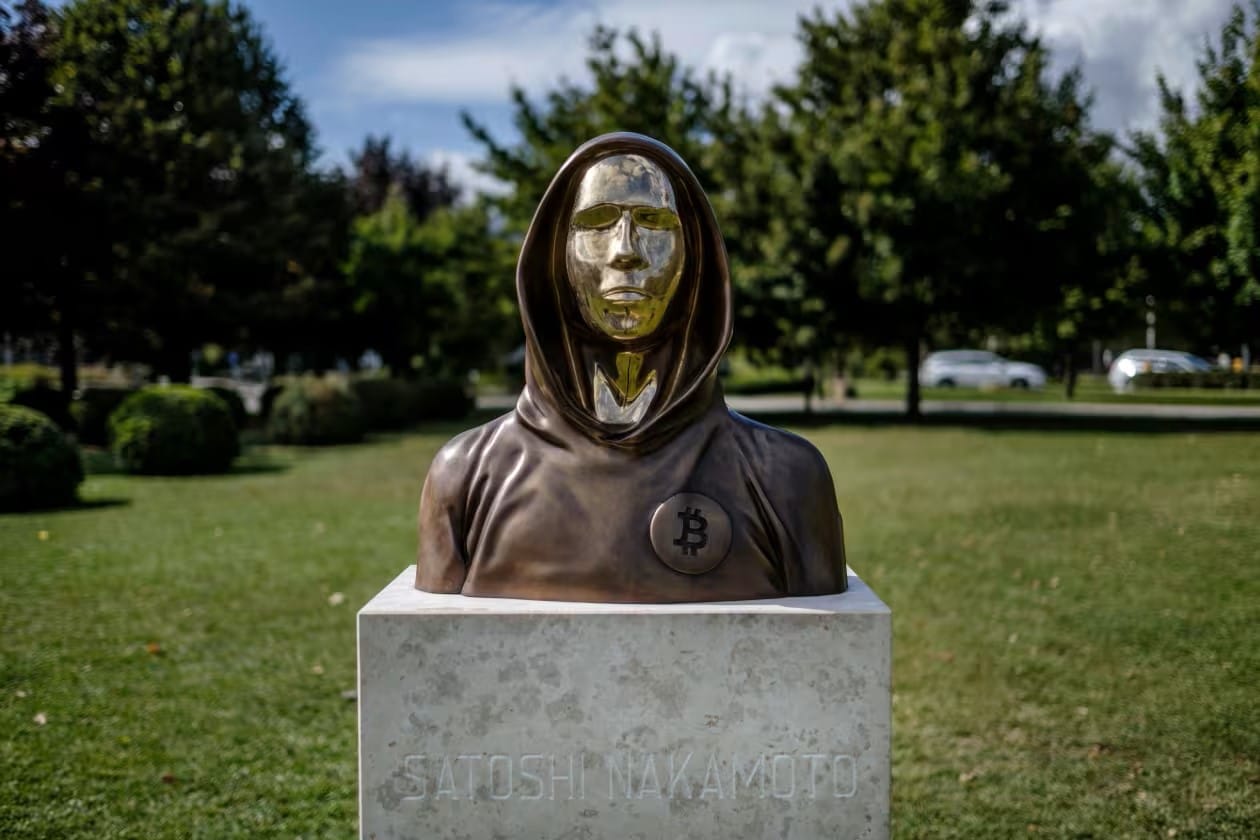

HBO’s documentary, Money Electric, sought to unravel Bitcoin’s enigmatic origins. However, it seems to have stumbled over several inaccuracies.
Despite anticipating revelations, viewers found a narrative filled with erroneous claims about Bitcoin and its mysterious creator, Satoshi Nakamoto.
The Flawed Premise: Peter Todd as Satoshi
The documentary posits Peter Todd as the mastermind behind Bitcoin. While intriguing, this claim does not hold up under scrutiny. During Bitcoin’s launch in 2008, Todd was engrossed in his fine arts degree, far removed from cryptographic pursuits. His involvement in Bitcoin-related activities began only six years later, thus discrediting HBO’s narrative.
Todd’s own words, “Oh, no, I am Satoshi. I’m Satoshi Nakamoto,” were taken out of context. This statement, intended as a jest, was misconstrued as evidence, highlighting a critical oversight in the documentary’s approach.
BitcoinTalk Forum and Misleading Evidence
The BitcoinTalk forum was used to bolster claims of Todd’s involvement during Bitcoin’s inception. A 2010 post, supposedly by Todd but allegedly linked to Satoshi, is cited. The documentary purports this was a deliberate act of hiding his identity, a dubious assertion given the lack of concrete evidence linking Todd to Bitcoin’s initial stages.
According to Todd, he joined the forum a week after Satoshi’s last post, then faded from the scene. While he acknowledged the timing seemed coincidental, the documentary failed to examine the broader context of online fora and pseudonymous posting common in early Bitcoin communities.
[twitter-embed-display twitter_url=’https://twitter.com/WatcherGuru/status/1843824216476676302′]
Todd’s Denials and the Documentary’s Misinterpretation
Throughout the documentary, Todd adamantly denies being Satoshi, yet his denials seemingly fueled HBO’s speculative claims further.
Todd’s reference to Craig Wright, another individual claiming to be Satoshi, was a sarcastic nod to the ongoing mystery and false allegations, something the documentary failed to humor appropriately.
He characterised the theory as “pretty creative” and “ludicrous,” dismissing it as journalistic folly. Todd’s remarks reflect the often speculative nature of documentaries diving into such high-stakes mysteries.
The Bigger Picture: Missing Bitcoin’s Global Impact
Todd criticized the documentary for missing Bitcoin’s broader implications. The narrative’s fixation on identity detracts from Bitcoin’s evolution into a global financial instrument.
HBO’s focus was on unmasking Satoshi, yet this fixation may overshadow the cryptocurrency’s broader technological and economic significance. Todd pointed out that such diversions could hinder understanding Bitcoin’s transformative potential.
Instead, the documentary could have expanded on how Bitcoin’s decentralized nature challenges traditional financial systems, a narrative far more pertinent to its status as a global currency.
Critique of Documentary Journalism
The documentary exemplifies a broader trend in sensationalist journalism, prioritizing intrigue over accuracy.
By failing to substantiate its claims about Todd, the documentary risks credibility, undermining the investigative integrity required when tackling complex subjects like Bitcoin.
Documentaries should aim to enlighten and inform, providing nuanced perspectives rather than speculative assertions that lead to misinforming audiences.
Lessons Learned from Money Electric’s Oversights
Viewers are reminded of the importance of critical viewing, especially with sensational documentary content.
Money Electric serves as a case study on the pitfalls of documentary storytelling, especially when intertwining complex technological history with unresolved mysteries.
A Call for Balanced Exploration
Future documentaries should strive for a balanced approach, blending undeniable facts with cautious hypothesis, ensuring integrity in exploring Bitcoin’s mysterious origins.
Though engaging, Money Electric ultimately fails to deliver a credible account of Bitcoin’s origins.
Accurate reporting is vital, particularly with topics that are complex and influential in today’s financial landscape.
