

The UK government initiates a groundbreaking investment scheme to boost long-duration energy storage, promising enhanced energy security and reduced reliance on fossil fuels.
- The Department for Energy Security and Net Zero (DESNZ) introduces a cap and floor scheme managed by Ofgem, aiming to escalate the country’s energy storage capacity.
- Currently, the UK operates 2.8 GW of long-duration energy storage through pumped hydro in Scotland and Wales, vital for the national grid.
- New technologies, including liquid air and compressed air energy storage, are under development, with potential savings of £24 billion projected between 2025 and 2050.
- Industry leaders and government officials advocate for swift action to attract global investment and create thousands of skilled jobs across the UK.
The UK government has unveiled a pioneering investment scheme to boost long-duration energy storage (LDES) capabilities, reinforcing the nation’s energy security and sustainability. The scheme, directed by the Department for Energy Security and Net Zero (DESNZ), will be managed by Ofgem, aiming to significantly uplift the UK’s energy storage capacity. This initiative comes at a time when energy demands and the integration of renewable sources necessitate increased storage solutions.
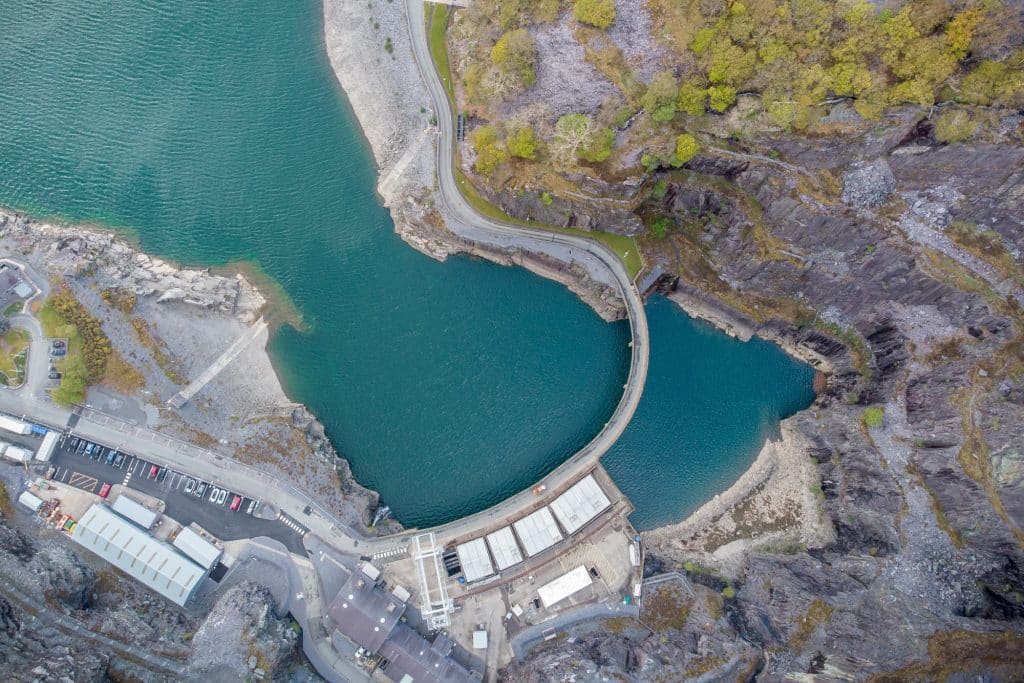
Great Britain currently utilises 2.8 GW of LDES across four existing pumped storage hydro schemes, playing a crucial role in balancing the electricity grid. With the introduction of this new scheme, the government anticipates the development of the first significant LDES facilities in nearly four decades. These technologies, akin to giant batteries, store renewable energy for later use, ensuring a dependable supply of clean energy and enhancing the country’s self-reliance.
While existing infrastructure is pivotal, new technologies such as liquid air energy storage, compressed air energy storage, and flow batteries are also being explored. These innovative solutions could save the UK’s electricity system £24 billion from 2025 to 2050 by reducing dependency on costly natural gas during peak demand periods. This aligns with the National Electricity System Operator’s projection of requiring up to 15.3 GW of LDES by 2050 to achieve net zero emissions.
The cap and floor mechanism, following a prior consultation, plays a vital role in this scheme. DESNZ highlights that this model offers guaranteed minimum income for developers, balancing risk by setting revenue limits. Ofgem’s role as regulator assures that developers can meet debt payments without prioritising profit, fostering a stable investment climate. Energy Minister Michael Shanks emphasised the need to exploit renewable potentials by enhancing storage capacity, reversing a decades-long stagnation in LDES development.
Support from industry leaders, such as the British Hydropower Association, underscores the scheme’s significance. They urge accelerated implementation to maintain the UK’s competitive edge and attract global investments. Notable projects include the Dinorwig Power Station in Wales and several proposed schemes across Scotland, which promise to create numerous skilled jobs while securing energy supply. These infrastructures are integral to the UK’s strategy to reduce fossil fuel reliance and fortify energy independence.
The government’s scheme marks a pivotal step towards fortifying the UK’s energy independence, fostering investment, and ensuring a sustainable energy future.
