
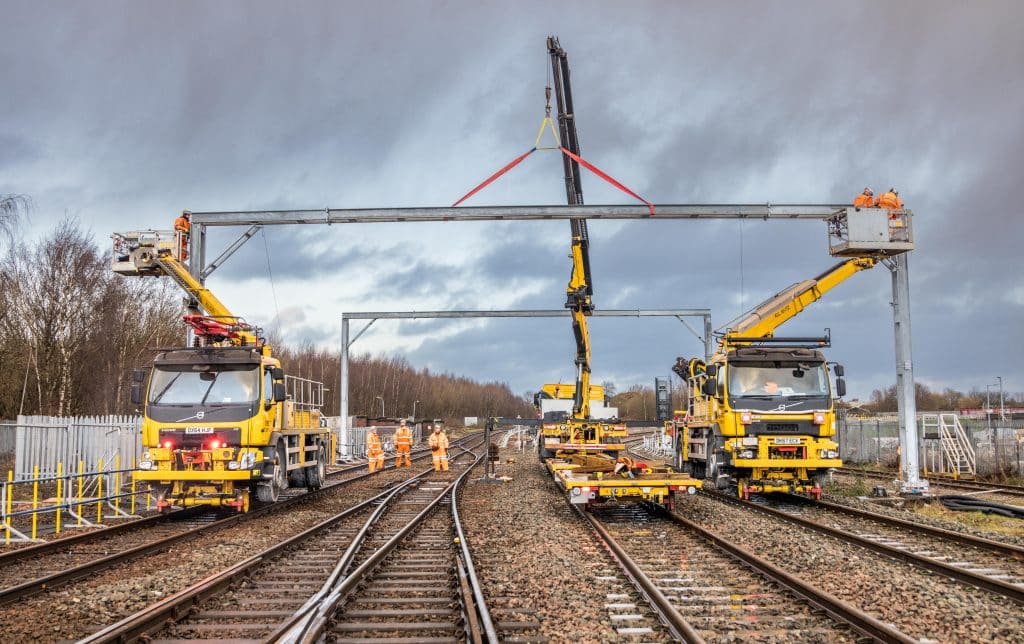

The Transpennine Route Upgrade (TRU) review could impact the future of this essential infrastructure project.
- The UK government is reassessing the completion of the Transpennine Route Upgrade in light of budget constraints.
- Financial Times reports suggest officials are tasked with identifying £100M in savings for the project.
- This reassessment is part of wider Treasury efforts to address a £22bn fiscal deficit.
- The TRU project aims to modernise rail links in northern England, but faces challenges and delays.
The UK government is currently reviewing the completion of the Transpennine Route Upgrade, a key infrastructure initiative, as they prepare the Autumn Budget. This review is spurred by the need to address pressing budgetary constraints, with the Treasury facing a reported £22bn deficit. As part of this effort, officials have been instructed to identify potential savings of £100 million across the TRU project, with equal contributions expected from sections east and west of Leeds.
This financial scrutiny is part of a comprehensive ‘zero-based capital review’ implemented by the Department for Transport (DfT), which requires all projects to validate their costs amid the government’s efforts to optimise expenditure ahead of Chancellor Rachel Reeves’ initial budget presentation. Amongst the considerations is a potential slowdown in expenditure, aimed at achieving immediate fiscal targets, albeit possibly resulting in greater expenses in the long term.
The origins of the TRU can be traced back to plans for modernisation that were set forth in 2011. The goal is to electrify the 122-kilometre rail line that extends from Manchester through Leeds and onto York. Since its conception, the project’s scope and estimated costs have dramatically increased from an initial £2.9bn in 2018 to somewhere between £9bn and £11.5bn today. Recently, the government committed an additional £3.9bn to support its continuation, bringing total earmarked funds up to £6.9bn.
The TRU aspires to significantly enhance rail services in Northern England by electrifying the entire route, implementing advanced digital signalling, and expanding the track from two to four lines in certain critical sections. Despite numerous setbacks and an extended timeline now projecting completion between 2036 and 2041, the project achieved a milestone with the first successfully electrified train tests on the line between York and Church Fenton.
For the eastern section of the TRU, recent progress includes the completion of electrification work between Church Fenton and Colton Junction, alongside earlier successful upgrades between Manchester Victoria and Stalybridge. In the west, future developments under the £2bn TRU West Alliance contract are anticipated to further transform rail connectivity, featuring upgrades to six stations and the development of nine bridges.
Network Rail has appointed partners for the TRU West phase, consisting of Bam, Arup, Amey, and Network Rail itself, to collectively implement transformative changes between Huddersfield and Leeds by 2028. This phase promises enhanced station facilities, improved accessibility, and the construction of vital infrastructure such as a multi-span viaduct. Such developments are expected to facilitate faster and more reliable train services, essential for the region’s economic growth.
The TRU project remains pivotal to Northern England’s transport future despite financial challenges and delays.

