
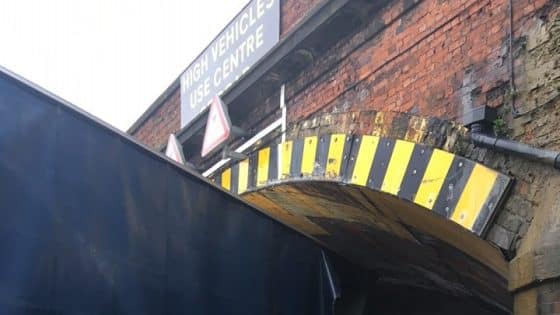

Bridge strikes on Network Rail have decreased by 20% since 2018, with various measures attributed to this decline.
- In response to an FOI request, Network Rail attributed the decrease to post-pandemic adjustments and better training.
- Despite a general decline, bridge strikes during 2021/22 showed a temporary spike due to new routes and inexperienced drivers.
- Network Rail’s ‘Wise up, Size Up’ campaign has played a crucial role in educating drivers, especially HGV and bus operators.
- Significant financial impacts continue, although third-party insurance helps mitigate costs.
Bridge strikes on Network Rail’s infrastructure have shown a noteworthy reduction, decreasing by 20% from 1,937 in 2018/2019 to 1,518 in 2023/2024. This positive trend was revealed following a Freedom of Information Act request. Network Rail highlighted a general downward trend in these incidents, notwithstanding a temporary increase during the 2021/22 period, which was attributed to factors such as an influx of new drivers, training gaps during the pandemic, and the introduction of new routes.
The fiscal impact of a single bridge strike can be substantial, often costing millions to repair. For instance, National Highways had to allocate £2.5M for repairs to the Severalls Lane Bridge on the A12 Colchester Northern Bypass. Recognising the severity of these incidents, Network Rail has implemented information campaigns, focusing on heavy vehicles like HGVs and buses due to their greater propensity to cause strikes.
Through its ‘Wise up, Size Up’ initiative, Network Rail emphasises the financial toll of bridge strikes on the railway system and subsequent delays to both train and road traffic during necessary repairs. The organisation disclosed that the average cost per strike is around £13,000, cumulatively costing UK taxpayers approximately £23M annually. Their analysis pinpoints heavy vehicles as the primary culprits of these incidents.
Despite these costs, Network Rail has made significant strides in recovering a portion of these funds through third-party insurance claims. In the 2019/20 fiscal year alone, they managed to recover nearly £4.4M of the £6.4M incurred by bridge strikes, equating to 69%. This approach underlines the importance of thorough insurance measures in mitigating financial losses associated with such accidents.
A spokesperson for Network Rail pointed out the broader safety and operational implications of bridge strikes. These incidents pose serious safety risks for both road and rail users and lead to significant delays whilst inspections and repairs are conducted, diverting funds that could otherwise enhance the network. The organisation continues to collaborate with transport partners to curb the frequency of these events and advises operators to meticulously plan routes, ascertain vehicle heights, and heed bridge height signage. Non-compliant drivers face severe repercussions, including potential licence revocation enforced by Traffic Commissioners.
The concerted efforts by Network Rail have led to a substantial decrease in bridge strikes, underscoring the effectiveness of their strategic measures.
