

The advent of Kaumera, a bio-based material from sewage sludge, signifies a shift in the UK’s wastewater sector.
- Royal HaskoningDHV is spearheading a project at Blackburn Wastewater Treatment Works to produce Kaumera.
- Part of a wider Ofwat-funded initiative, this project aims to transform wastewater treatment economics.
- Kaumera’s unique properties allow diverse applications, from water retention to flame retardancy.
- If successful, the project may establish new revenue streams and foster sustainable industry practices.
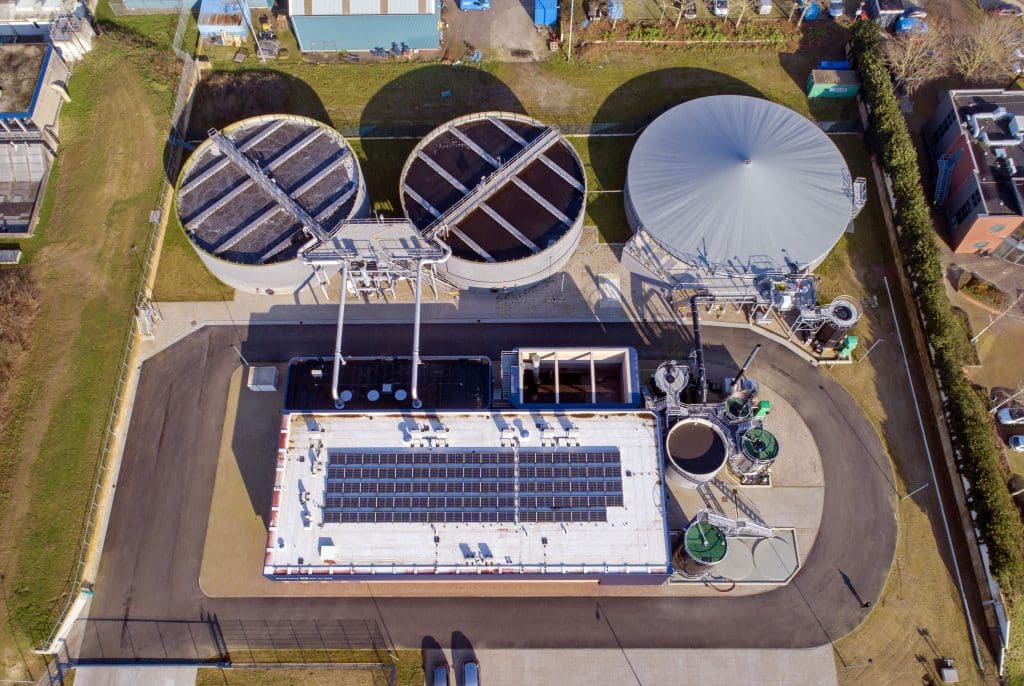
The UK wastewater sector is on the brink of transformation with the planned introduction of a Kaumera extraction facility at Blackburn Wastewater Treatment Works in Lancashire. This pioneering plant, delivered by Royal HaskoningDHV, aims to produce a bio-based raw material using sludge from wastewater. Known as Kaumera, this innovation is part of the Ofwat-funded ‘Biopolymers in the Circular Economy (BICE)’ project, expected to run until 2027.
Royal HaskoningDHV claims the initiative could significantly alter wastewater treatment economics, offering water companies the opportunity to generate revenue through biopolymer extraction. Kaumera’s development involves drawing biopolymers from sludge granules created in the Nereda purification process, a unique biological wastewater treatment technology.
The global market potential for such biopolymers is immense, with the liquid polymer market valued at £948 billion annually. Traditionally dominated by fossil fuels, the emergence of Kaumera as a sustainable alternative highlights the innovative spirit driving this project forward. The first operational Kaumera plant was launched in Zutphen, Netherlands, in 2019, establishing a precedent for the UK’s venture.
Blackburn’s wastewater treatment facility already employs Nereda’s aerobic granular sludge technology, which cuts electricity use by half compared to conventional methods. Incorporating Kaumera extraction will further utilize sludge by converting it into a gel base product, which is being evaluated for industrial uses such as wastewater treatment and as a biostimulant in arid regions.
Kaumera stands out due to its dual water-retention and repellent capabilities, making it suitable for varied applications from agriculture to construction. Its flame-retardant properties expand its potential uses to include paint and composite building materials, marking it as a versatile solution for multiple industries.
This project, part of a circular economy initiative, involves multiple stakeholders including United Utilities, Severn Trent Water, and various academic and commercial partners. They will explore commercial applications, supply chains, and economic feasibility of recovered materials. According to Royal HaskoningDHV, success in these areas could revolutionise the wastewater industry, creating an economically sustainable model.
Kaumera’s potential to reshape the wastewater sector underscores the importance of innovation in achieving industry sustainability.
