

Collaborative reporting is key to enhancing structural and fire safety in construction projects. This method involves sharing critical insights into safety issues observed during construction.
- The Engineers Collective podcast features insights from industry experts on the impact of shared reporting.
- The CROSS platform serves as a vital tool for professionals to report and learn from safety issues anonymously.
- Paul Livesey discusses the history and evolution of CROSS, emphasising its international reach and significance post-Grenfell.
- The RAAC crisis illustrates how CROSS reports contribute to addressing pressing safety concerns in the UK.
Safety in construction is fundamental. Ensuring both the safety of workers involved in a construction project and the future users of the structure is paramount. However, the inherent risk of poor practices or materials poses potential hazards. Collaborative reporting serves to mitigate these risks by fostering a shared learning environment among professionals.
In a recent episode of the Engineers Collective podcast, experts highlighted the significance of the CROSS platform. This platform, an acronym for Collaborative Reporting for Safer Structures, allows engineers and construction professionals to submit anonymous reports on structural and safety issues they encounter. These reports are vetted by CROSS experts and shared to cultivate industry-wide improvements.
Paul Livesey, manager of the CROSS scheme, elaborated on the platform’s nearly 50-year history and its support from prominent institutions like the ICE and IStructE. CROSS has expanded globally, establishing a presence in countries such as Australia and the USA, driven in part by the increasing focus on safety following the Hackitt Report concerning the Grenfell disaster.
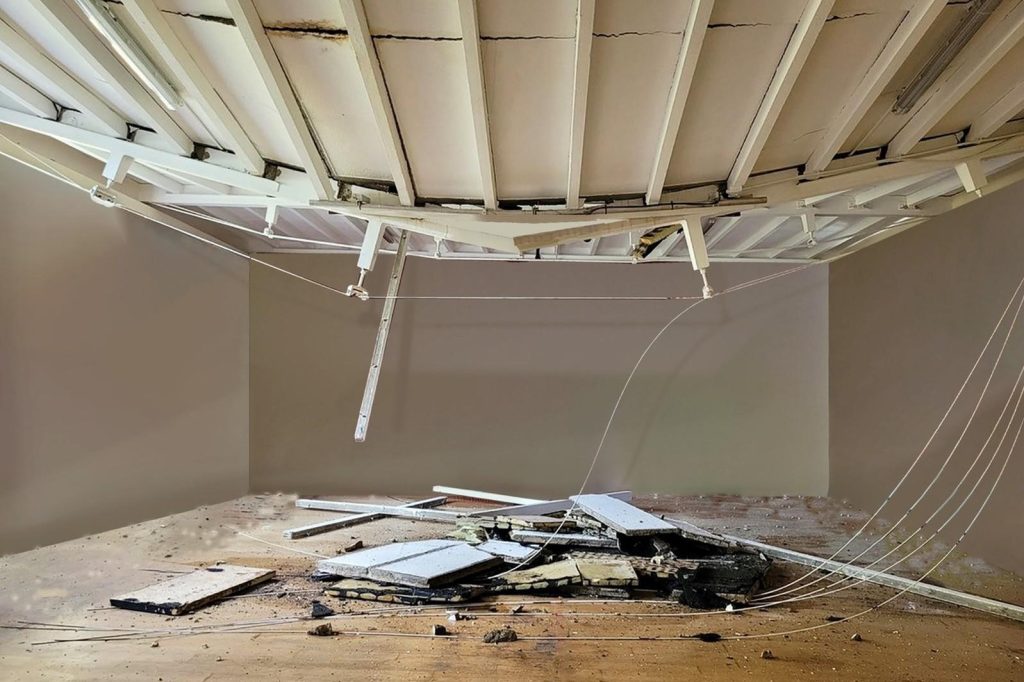
The impact of CROSS is evident in its contributions to current safety concerns, notably the RAAC crisis, which has been prominently featured in UK headlines. The platform’s role in disseminating vital information helps address and mitigate these risks effectively.
CROSS encourages professionals to share their observations, enhancing collective knowledge and facilitating informed decision-making. The recent podcast episode conveyed the importance of active participation and reporting on safety matters to drive positive change across the industry.
The ongoing commitment to collaborative reporting is crucial for advancing safety standards in the construction industry.
