
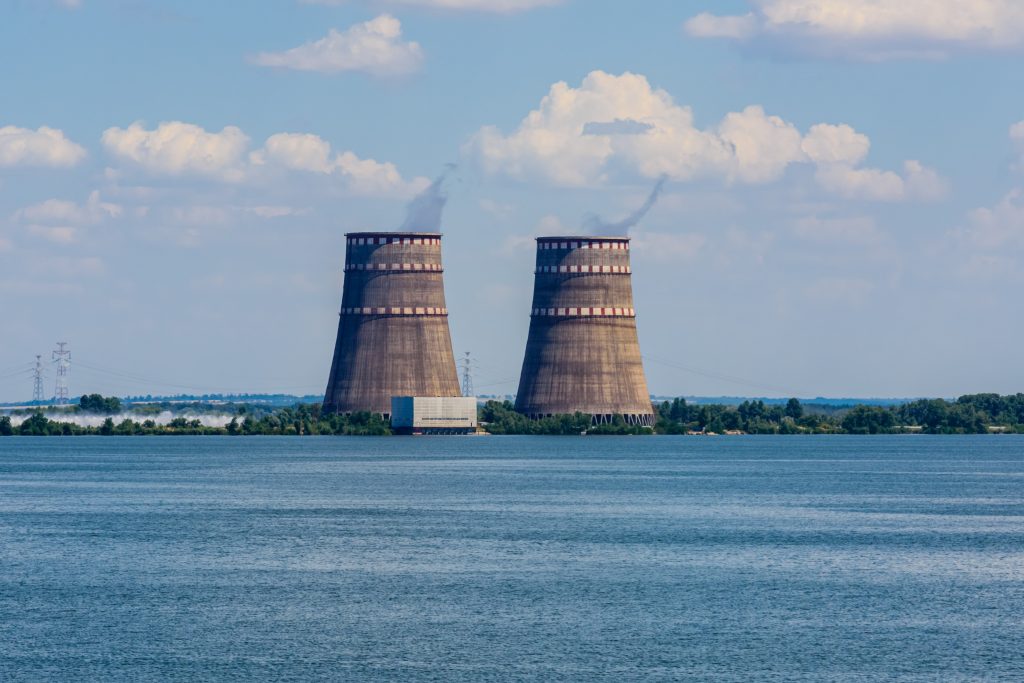

The IAEA observed a Russian-led emergency exercise at Ukraine’s Zaporizhzhia nuclear power plant, highlighting ongoing safety concerns amid the conflict.
- The Zaporizhzhia plant, Europe’s largest nuclear facility, previously came under attack during Russia’s invasion of Ukraine in March 2022.
- A recent exercise simulated a severe incident, including a reactor coolant loss and power failure, to assess emergency response capabilities.
- IAEA officials noted the effective response of plant staff but identified communication improvements as necessary.
- Efforts to enhance nuclear safety continue amidst ongoing disruptions and security threats to Ukraine’s power infrastructure.
The International Atomic Energy Agency (IAEA) noted active participation and appropriate responses during a Russian-led emergency exercise at Zaporizhzhia Nuclear Power Plant (ZNPP) amidst ongoing conflict-related risks. Russia’s targeting of civilian infrastructure, including nuclear sites, remains a pivotal concern. This plant, being Europe’s largest, marked history by facing direct assault during the conflict’s early stages in 2022.
On 24 February 2022, as the conflict escalated, Ukraine disconnected its electricity grid from Belarus and Russia, seeking urgent integration with the European network. Concurrently, Russian forces seized control over Chernobyl’s facilities, escalating nuclear safety concerns. Nuclear facilities, designed with robust safety measures, nevertheless face unprecedented risks due to military actions.
During the recent exercise, a fictional scenario involving a large earthquake led to a coolant loss in the unit 1 reactor. This severe scenario included total off-site power loss and diesel generator failure, alongside simulated fire and personnel injuries. The IAEA reported no damage but emphasised the realistic threats such exercises represent.
Observing from the temporary emergency centre, IAEA officials praised the response efficiency of the plant’s personnel and the reliability of their equipment. Yet, they pointed out the need for better communication between team members handling plant data and monitoring post-incident conditions.
The IAEA’s ongoing safety efforts are evident as they reported drone activities near South Ukraine’s nuclear facilities. These incidents required safety protocols to be enacted, underscoring the volatile environment within which Ukraine’s nuclear sites operate. IAEA director general Rafael Mariano-Grossi reaffirmed the agency’s commitment to safeguarding these facilities amidst routine power disruptions and external threats.
Continued vigilance and international cooperation are critical to ensuring nuclear safety amidst ongoing conflict-related challenges.
