

The River Mersey is set to host the world’s largest tidal scheme, kicking off with public consultation.
- A scoping report has been submitted to the Planning Inspectorate, marking the start of the formal process.
- The newest plans include 28 turbines with the potential to generate 700MW, powering homes for 120 years.
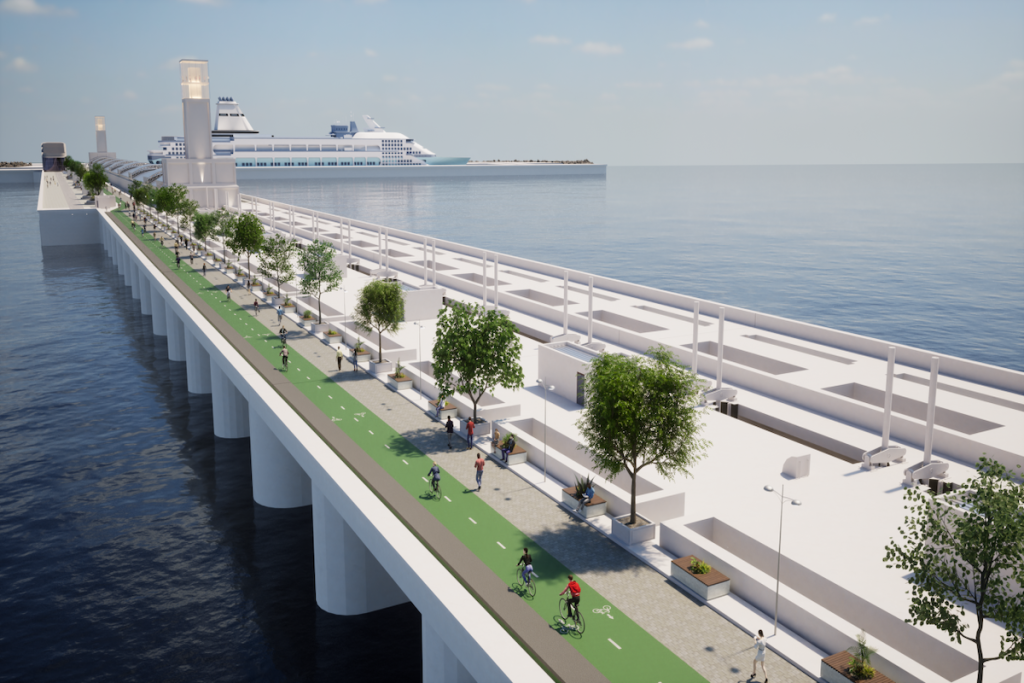
- The project promises to fortify against climate change-related flooding and include cycling and pedestrian pathways.
- Public consultations begin on 1 October to involve the community and refine the scheme based on feedback.
The formal planning phase for the tidal scheme on the River Mersey has been initiated with the submission of crucial documentation to the Planning Inspectorate. This submission paves the way for what could become the largest tidal energy project globally, highlighting the strategic importance of the River Mersey in renewable energy initiatives. On 1 October, the first of several public consultations will begin, fostering community engagement and input on the county’s most ambitious renewable energy undertaking.
Central to the scheme’s appeal is its projected ability to house 28 turbines within the barrage, which promises a significant electricity output of 700MW. This capacity aims to deliver a continuous, predictable energy supply potentially sufficient to power homes for up to 120 years. Additionally, the plan outlines infrastructure enhancements, including sluices and marine navigation locks. By integrating mature technology, each turbine is designed to provide 25MW, exceeding the capacity of many offshore wind turbines.
Anticipated benefits of the scheme extend beyond energy generation. The proposed barrage will improve regional infrastructure and environmental resilience by offering enhanced protection against flooding risks exacerbated by climate change. As the Liverpool City Region aspires to achieve net zero carbon by 2035, this project stands as a pivotal component of its strategy, potentially operational by 2040.
Parallel to technical advancements, the project includes the introduction of pedestrian and cycling routes linking Liverpool and Wirral, marking the first such cross-river connectivity options. This feature not only enhances transport routes but also fosters a deeper connection between communities, aligning with the regional vision for improved urban mobility and sustainable infrastructure development.
In furthering these goals, international collaboration has been established with Korea’s K-Water, noted as the leading tidal operator globally. This partnership underscores the ambitious scope of the project and the intention to leverage proven expertise in delivering large-scale tidal schemes. As the initiative advances, public consultations are keenly awaited to gather local feedback essential for refining the project’s design and functionality.
The River Mersey Tidal Scheme represents a pivotal step in the UK’s renewable energy landscape, promising sustainability and innovation.
