
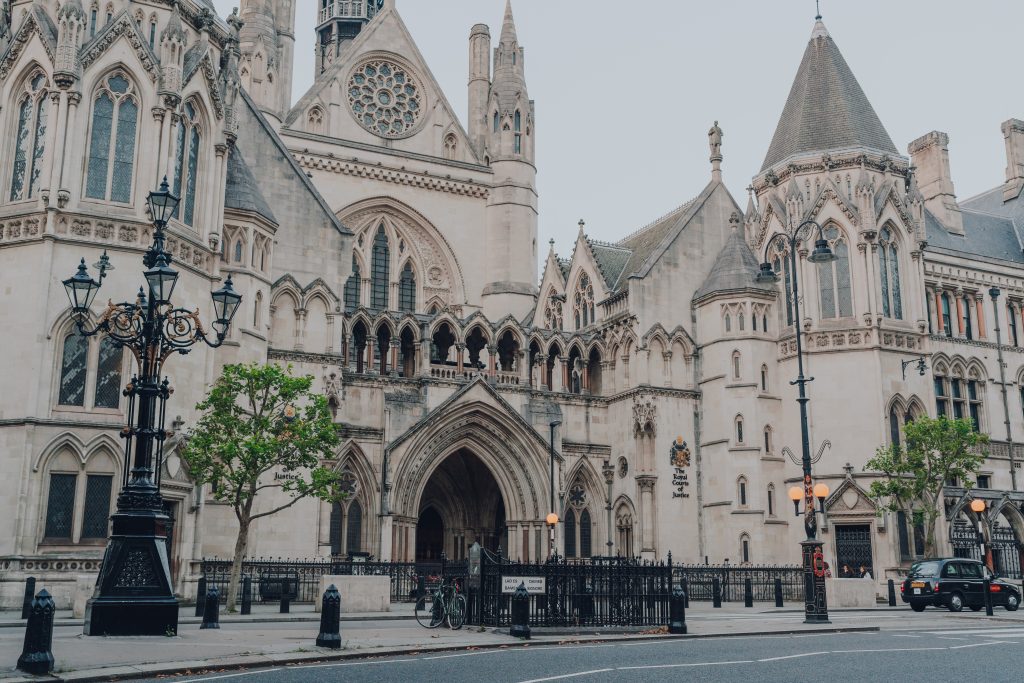

The High Court has halted plans for the UK’s first deep coal mine in 30 years, a decision with significant environmental and political implications.
- Campaigners successfully challenged the government’s approval of the Whitehaven coal mine, citing unconsidered environmental impacts.
- The decision highlights the legal requirement to assess the full environmental impact of fossil fuel projects.
- Environmental groups argued that the mine projected over 220M.t of CO2 emissions, undermining the UK’s climate commitments.
- The ruling sets a precedent for future fossil fuel projects, reinforcing the need for comprehensive environmental impact assessments.
The proposed Whitehaven coal mine in Cumbria, which was to become the UK’s first new deep coal mine in three decades, has faced a significant legal setback. Campaign groups, including Friends of The Earth (FOTE) and South Lakes Action on Climate Change (SLACC), contested the planning permission granted by the previous government, arguing that it failed to account for the environmental impacts associated with burning the extracted coal.
Despite initial approval in 2022, the decision to proceed with the development consent order (DCO) faced formidable opposition. Environmental advocates criticised the government’s oversight in focusing solely on operational impacts without adequately considering the broader implications of coal combustion. The Climate Change Committee, a government advisory body, also opposed the approval.
The legal landscape shifted dramatically in June when a Supreme Court ruling mandated that environmental consequences from burning fossil fuels must be integral to the planning process for new extraction projects. This ruling was pivotal, as it underscored that the emissions from the Cumbria coal mine could exceed 220M.t of CO2 equivalent, significantly impacting the environment.
The Starmer-led administration chose not to defend the earlier decision in court, conceding its unlawfulness. On 10 July, Angela Rayner, the Secretary of State for Housing, Communities and Local Government, consented to judgment on these grounds, acknowledging the legal missteps of the prior administration.
Judicial review found in favour of the campaigners on several grounds. It was determined that the previous Secretary of State had breached Environmental Impact Assessment regulations by neglecting to evaluate greenhouse gas emissions from coal burning as a significant effect of the project. Additionally, the argument that the mine would substitute coal production elsewhere was rejected; the effect on global greenhouse gas emissions was deemed non-neutral.
The High Court ruling further identified deficiencies in the developer’s plans to offset residual emissions, finding the proposed measures inadequate and legally flawed. Justice Holgate remarked, “The assumption that the proposed mine would not produce a net increase in greenhouse gas emissions, or would be a net zero mine, is legally flawed.” This statement underscores the judiciary’s stance on the accountability of project developers in mitigating climate impacts.
Reactions from environmental groups were emphatic. FOTE’s senior lawyer, Niall Toru, claimed, “This mine should never have been given permission in the first place. The case against it is overwhelming: it would have huge climate impacts, its coal isn’t needed and it harms the UK’s international reputation on climate.” Greenpeace UK’s chief scientist, Doug Parr, added, “Coalmining belongs in the past, so hopefully this is the last we’ll hear of it.” These statements emphasise the broader ramifications on environmental policy and public sentiment.
The High Court’s ruling against the Whitehaven coal mine underscores the critical role of environmental considerations in developmental decision-making.
