The Nuclear Decommissioning Authority (NDA) launches its inaugural nuclear heritage strategy aimed at celebrating the sector’s historical contributions.
- This initiative seeks to enhance decommissioning planning by learning from past experiences and embracing a rich nuclear legacy.
- A significant aspect of this strategy is the support for future nuclear advancements, including new builds and long-term safeguarding of radioactive materials.
- The strategy aims to engage communities while preserving invaluable industry records for upcoming researchers.
- Collaborative efforts underpin this strategy, involving heritage specialists and local educational initiatives to share the nuclear narrative.
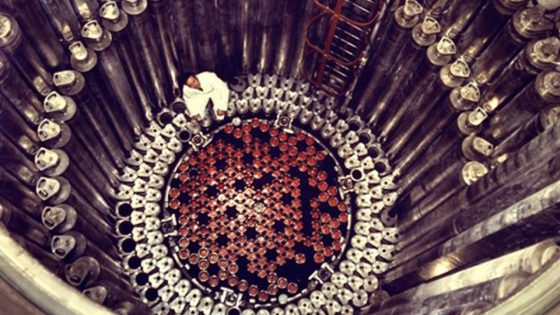
The Nuclear Decommissioning Authority (NDA) has taken a significant step by announcing its first nuclear heritage vision and strategy. Published recently, this strategy aims to safeguard and celebrate the extensive history and cultural heritage of the nuclear industry within the UK. The nuclear sector has long been a crucial component of national infrastructure, significantly shaping the nation’s technological landscape. By focusing on gathering insights, the NDA hopes to improve decommissioning activities, mitigating potential risks while efficiently planning future nuclear projects.
An integral part of this newly unveiled strategy is its emphasis on supporting future nuclear developments. This includes laying the groundwork for upcoming nuclear builds, research, and development projects, as well as long-term decommissioning programmes. Central to this is the plan for a Geological Disposal Facility (GDF), a sophisticated structure designed to securely contain radioactive waste within a carefully selected rock formation. The GDF represents a remarkable engineering achievement, ensuring that harmful radiation levels never compromise the surface environment.
The NDA’s strategy also highlights the importance of engaging with communities and preserving primary sources for academic and historical research. By showcasing the scientific and engineering feats of the UK’s nuclear industry, the strategy aims to highlight the socio-economic benefits the sector has historically conferred. Engaging communities through this process is not only about celebrating past accomplishments but also about fostering transparency and trust in ongoing and future projects.
Collaboration forms the foundation of the strategy, implemented through partnerships with heritage specialists and local entities. For instance, a history workshop developed by the NDA and Sellafield for local schools exemplifies this. Moreover, the Nucleus, the Nuclear and Caithness Archives located in Wick, will serve as the central repository for materials identified as historically significant by the strategy. This institution will house a comprehensive collection of both current and archival nuclear records from across the UK.
Simon Tucker, NDA Archives managing director, expressed that the responsibility of preserving and showcasing the origin stories of the civil nuclear industry is both a privilege and a critical mission. He remarked on the multifaceted benefits of commemorating the industry’s history, from enhancing current decommissioning practices to strengthening connections with local communities. Capturing this legacy is expected to enrich the NDA’s mission, enabling more effective and reflective outcomes.
The NDA’s inaugural nuclear heritage strategy represents a landmark effort to intertwine nuclear decommissioning with cultural and historical preservation.