
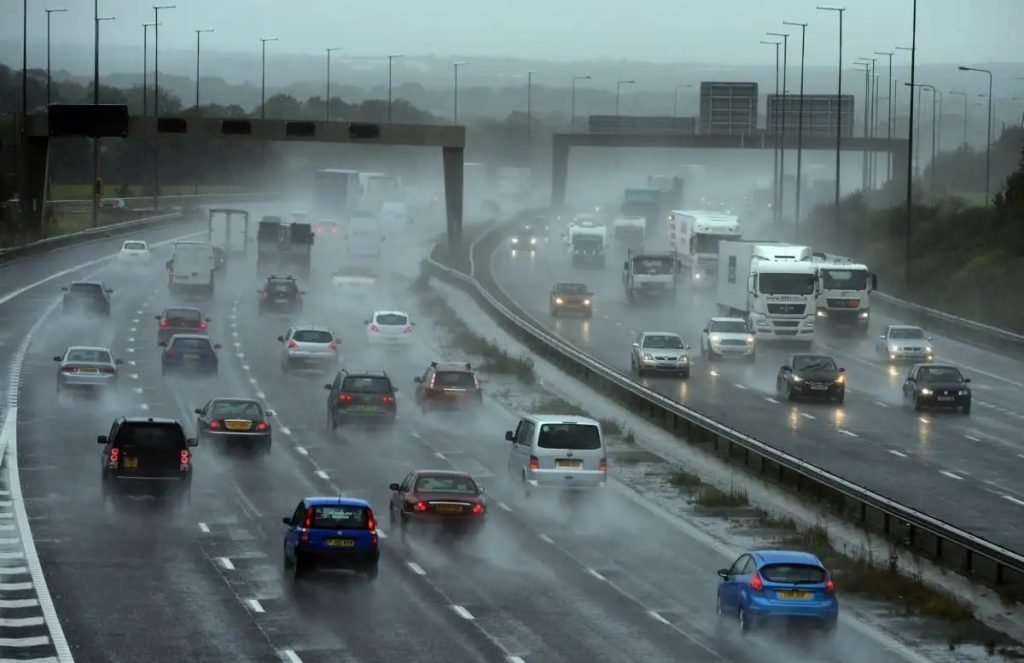

The M25 runoff ponds around main roads may contain hazardous waste due to insufficient maintenance by National Highways.
- A Freedom of Information request revealed poor maintenance records for 87 out of 94 ponds.
- Pollutants from road runoff are contaminating UK waterways, with only 14% of rivers achieving ‘good’ status.
- Critics argue that National Highways is overlooking its responsibilities, risking increased pollution and flooding.
- National Highways’ data obfuscation raises concerns over liability and lack of pollution management permits.
The M25 runoff ponds, crucial for managing water and pollution around main roads, are potentially filled with hazardous waste. National Highways, the responsible body, has been unable to confirm when the majority of these ponds were last cleaned. From a total of 94 ponds, maintenance records for 87 remain unclear, described merely as ‘not yet required’.
Runoff ponds are designed to collect water and associated pollutants from highways, preventing them from entering broader water catchments. However, without regular cleaning, these ponds risk becoming sources of pollutants themselves, contravening their primary purpose.
Confirming public concern, a Freedom of Information request indicated that National Highways managed 94 runoff ponds, utilising interceptors at 54 locations to catch oil and sediment. Unfortunately, only seven ponds have their maintenance histories updated, highlighting a significant oversight.
Experts have pinpointed road runoff as a prevalent source of contamination, with oils, microplastics, and heavy metals entering waterways. The Environment Agency reports that a mere 14% of rivers in the UK meet ecological standards, painting a concerning picture of the country’s water health.
Asset condition inspections by National Highways are ongoing; however, sediment removal is notably absent. Suggesting a failure in duty, critics argue that this negligence heightens the risk of floods and pollution due to sediment build-up, which diminishes the ponds’ flood management capacity.
The lack of historical maintenance data suggests National Highways may either be unaware of or unwilling to share records, raising issues of accountability. This obfuscation complicates an understanding of how well these critical water management systems function and whether they meet environmental guidelines.
John Bryden of Thames21 questioned National Highways’ criteria for determining maintenance needs, indicating that forebays and interceptors, crucial for sediment capture, might not be adequately maintained. The absence of interceptors in some places further complicates runoff management.
Inadequate handling of road pollutants, noted in a Stormwater Shepherds and CIWEM report, underscores the oversight by highway authorities, who lack permits to manage runoff pollution. The consequences are severe, with potentially hazardous waste impacting the environment without proper controls.
National Highways acknowledged the pollution risk and promised improvement through its Water Quality Plan 2030. Director Stephen Elderkin reinforced their commitment to pollution reduction, citing research on microplastics, but concerns persist over the effectiveness and transparency of current strategies.
The ongoing maintenance issues surrounding M25 runoff ponds highlight significant environmental risks due to ambiguous practices by National Highways.
