

Shoe Zone has experienced a challenging year, marked by a notable drop in profits. The affordable footwear retailer’s revenue fell by 2.7% to £161.3m as of 28 September, attributed to factors such as weak demand and elevated costs. Notably, profits were down by 42%, reaching £9.5m before tax.
- The company’s stock value experienced a significant decline. Following the release of this financial data, shares fell over 10% during early trading hours, contributing to a cumulative decrease exceeding 33% over the year.
- Shoe Zone has faced operational challenges, including unanticipated weather conditions and increased expenses. The retailer highlighted adverse weather as a detriment to summer sales, while rising costs in areas such as energy and wages compounded financial pressures.
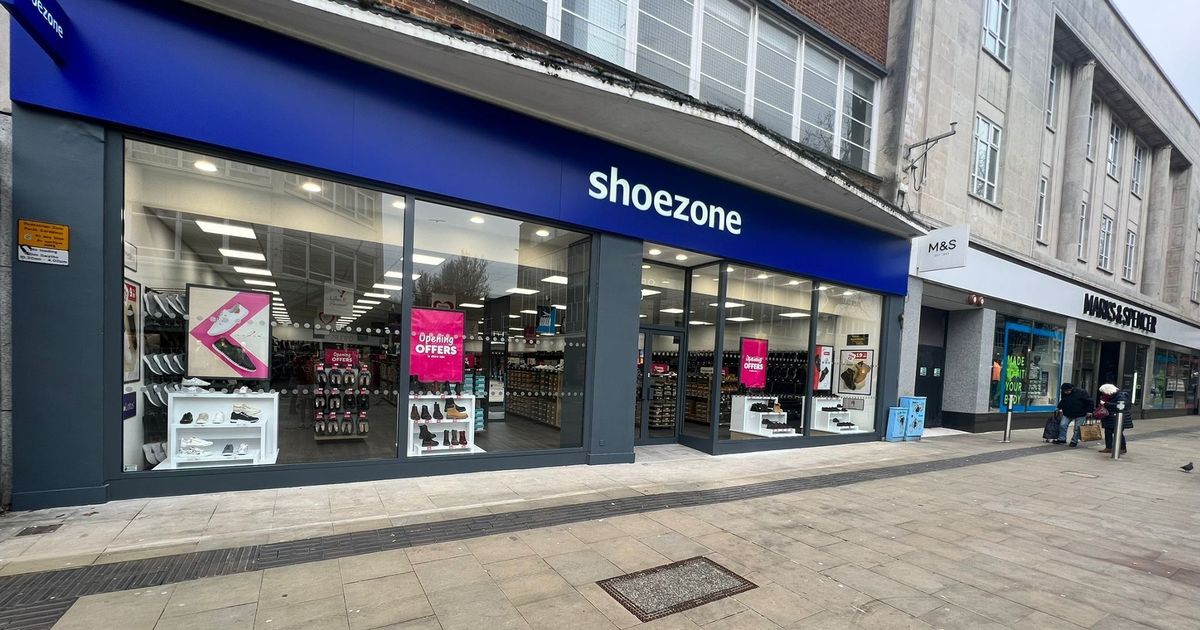
- Physical store adjustments have been implemented as part of an ongoing restructuring. Shoe Zone closed 53 stores, opened 27, and refitted 28, reducing its total number of stores to 297.
- The digital sector has provided a silver lining with growth recorded in its online operations. An improved digital service, including the introduction of free next-day delivery, has bolstered online sales.
Shoe Zone, the well-known budget footwear retailer, has reported a notable decrease in financial performance for the year ending 28 September, with revenue diminishing by 2.7% from £165.7m in 2023 to £161.3m. This contraction in revenue was largely driven by reduced consumer demand and elevated operational expenses. Profits before tax plummeted by 42%, reaching £9.5m, a downturn that the company primarily attributes to unfavourable weather conditions impacting peak season sales and increased costs pertaining to energy, wage, and logistics during the second half of the year.
The retailer’s share valuation has experienced significant fluctuations, with a swift decline of more than 10% in early trading following the financial disclosures. Over the past month, the share price has diminished by nearly 19%, culminating in a loss exceeding one-third over the current year. These metrics underscore the financial distress faced by the company amid broader economic challenges.
Operational hurdles have compounded, as evidenced by high street traffic remaining below pre-pandemic levels for 11 of the last 12 months. In March, Shoe Zone had preemptively cautioned of trading below expectations due to unforeseen costs related to supply chain disruptions and sluggish autumn trading. Net cash reserves dwindled to £3.7m from £16.4m the previous year, exacerbated by dividends of £8m and capital investments amounting to £12.3m for store refurbishment and employee relocations.
In a strategic bid to optimise its physical footprint, Shoe Zone shuttered 53 stores, launched 27 new ones, and refitted 28 outlets, culminating in an overall reduction to 297 total stores. This structural adjustment is a part of the company’s broader effort to recalibrate operations amidst the challenging retail landscape. The retailer’s chair, Charles Smith, remarked on the bifurcated performance throughout the fiscal year, noting the first half met expectations while the latter part suffered due to seasonal weather anomalies, yet the Back to School period outperformed the company’s forecasts.
Despite the general downturn, positive strides have been made in Shoe Zone’s digital sector. The launch of a complimentary next-day delivery option for online purchases has catalysed growth in this segment, providing a crucial counterbalance to the otherwise sluggish in-store sales. Such developments hint at potential avenues for recovery and stabilisation as the retail sector continues to evolve.
Shoe Zone is navigating a complex economic landscape with mixed outcomes across its operational and digital platforms.
