
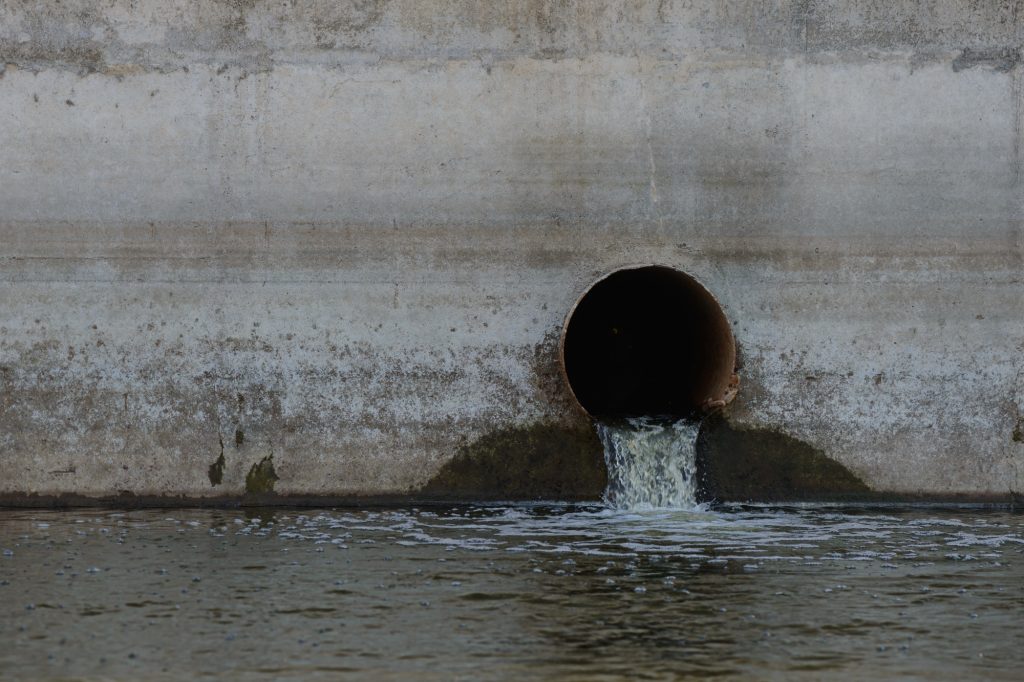

The UK Parliament has introduced landmark legislation aimed at holding water companies accountable for their environmental impact. This new bill equips regulators with significant powers to penalise and enforce stricter compliance standards.
- The Water (Special Measures) Bill provides regulators with authority to block bonuses and impose severe penalties, including imprisonment, on water company executives.
- This legislation aims to tackle the ongoing issue of environmental damage caused by water companies, proposing fines for violations to be issued more rapidly and autonomously.
- Under the new law, water companies must publish real-time data on pollution incidents and outline reduction plans, enhancing operational transparency.
- Government officials emphasise the bill’s role in reforming the water industry and hastening infrastructure improvements to protect UK waterways.
In an unprecedented move, the UK Parliament has passed the Water (Special Measures) Bill, marking a significant stride towards increased accountability within the water sector. The new legislation empowers regulators to take decisive action against water companies that harm the environment. This includes introducing tough penalties for non-compliance and the potential for imprisonment for executives who fail to cooperate or obstruct investigations. Previously, the maximum punishment for such infractions was limited to a fine, but now, the stakes have been considerably raised.
The Bill not only bans bonuses to top executives who do not meet high standards in environmental practices and customer service but also establishes criteria for appointing and retaining key personnel. This is a stark contrast to the previous practice where water company chiefs, despite overseeing widespread failures, awarded themselves substantial bonuses amounting to over £41 million since 2020. This legislative change aims to realign financial incentives with corporate responsibility, ensuring environmental protection is at the forefront of company operations.
Regulators will now benefit from streamlined processes that allow them to impose fines swiftly for a wide range of offences, without the necessity of conducting exhaustive investigations. The current legal framework mandates that Ofwat adheres to a criminal standard of proof, even for minor breaches, thus delaying enforcement. The Bill addresses this inefficiency by advocating for automatic and severe fines, bolstering the regulators’ ability to maintain oversight and discipline within the industry.
Transparency and public accountability are further enhanced by obliging water companies to release pollution incident data promptly and to prepare annual Pollution Incident Reduction Plans. By involving the public in monitoring through real-time data availability, the Bill seeks to foster a culture of openness and responsibility. These measures are poised to transform how water companies manage their operations, prioritising public health and environmental sustainability.
Notable figures such as Steve Reed, Secretary of State for Environment, Food and Rural Affairs, and Environment Agency Chair, Alan Lovell, have vocally supported the Bill. Reed has criticised the long-standing negligence in water management, highlighting the unacceptable state of UK waterways due to high levels of sewage discharge. Both government officials regard the legislation as a crucial step in reforming industry practices, with further regulatory initiatives anticipated to enhance infrastructure and clean up waterways comprehensively.
The Water (Special Measures) Bill represents a decisive step towards enforcing environmental accountability within the UK’s water industry.
