

Abandoned railway lines face an uncertain future as the UK government halts the Restoring Your Railways programme. This programme aimed to bring disused rail lines back into service. The Campaign for Better Transport is calling for government alternatives. Local councils express disappointment over funding cuts. Proposed shifts from road to rail investment offer a glimmer of hope.
The UK government’s decision to halt the Restoring Your Railways programme has raised significant concerns about the fate of numerous abandoned railway lines. This initiative was originally launched to reinstate railway services on lines closed since the 1963 Beeching Report, which identified the closure of 2,363 stations and 8,000 kilometres of railway line. Chancellor Rachel Reeves confirmed the programme’s cessation at the end of July, aiming to address a substantial £22 billion gap in public finances, with projected savings of £85 million from this programme alone.
Transport Secretary Louise Haigh is conducting a review to evaluate each project’s viability. Meanwhile, public transport advocacy group, Campaign for Better Transport, is actively advocating for a viable alternative to be established. Mark Morris, the group’s local engagement manager, stressed the importance of finding a solution, highlighting the potential of parliamentary actions once Parliament reconvenes in September. He expressed optimism that railway line reopenings could become feasible in the coming decade, even if the current programme is not resurrected in its original form.
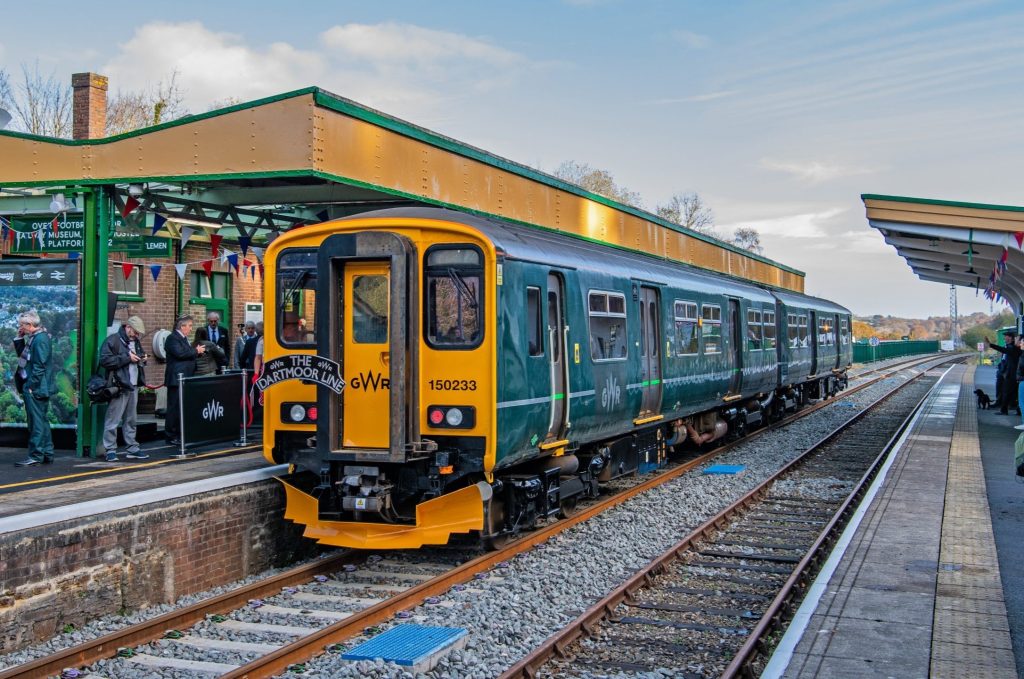
The Dartmoor Line’s successful reopening was a notable achievement of the now-defunct programme. Additionally, with seven new stations, the Northumberland Line will soon reintegrate Ashington and Newcastle into the passenger rail network. The New Stations Fund’s opening of 11 new stations further demonstrated the programme’s impact. However, ambitious plans to restore lines like the Ivanhoe and Portishead Lines are now in jeopardy, sparking criticism and concern among stakeholders.
Local councils have expressed significant disappointment regarding the abrupt funding withdrawal. Mid Devon District Council lamented the halt of efforts to restore train services along the Bristol-Exeter corridor, which included reopening Cullompton and Wellington stations. Similarly, Hampshire County Council remains hopeful about its commitment to revitalising the Waterside Line, while North Somerset Council still aspires to reinstating the Portishead to Bristol rail line, despite the funding challenges.
The Campaign for Better Transport remains hopeful about a potential shift in government investment priorities from road to rail. Mark Morris pointed out that while the announcement was disappointing, it might herald a reallocation of resources from cost-intensive road projects, such as the £10 billion Lower Thames Crossing, to more sustainable and public-friendly rail infrastructure. This perspective holds promise for rail networks despite the recent setbacks.
The future of reopening railway lines in the UK remains uncertain; however, advocacy for alternative solutions continues.
