
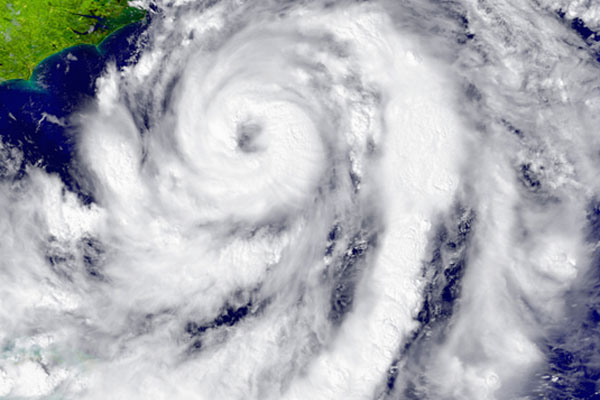

As the Caribbean grapples with the aftermath of Hurricane Beryl, questions about climate change accountability intensify.
- Hurricane Beryl, a record-breaking category-five storm, inflicted severe damage on Grenada and Saint Vincent and the Grenadines.
- Public officials demand heightened climate action from major polluting nations following extensive regional devastation.
- Reopened Caribbean resorts and cruise ports showcase resilience amid ongoing recovery efforts.
- Tourism authorities encourage visitors to aid economic recovery by supporting local enterprises.
In the wake of the catastrophic Hurricane Beryl, Caribbean destinations such as Grenada and Saint Vincent and the Grenadines are confronting the challenges of recovery. As the first significant hurricane of the 2024 Atlantic season, Beryl has set a record as the earliest category-five storm, leaving a trail of destruction across several islands, including Jamaica, the Cayman Islands, and parts of Texas. Twenty fatalities have been confirmed across these regions, amidst widespread criticism of global climate policies.
The prime ministers of Grenada and Saint Vincent and the Grenadines have notably criticised developed nations for their inadequate responses to the climate crisis. Grenada’s Prime Minister, Dickon Mitchell, emphatically described the hurricane as a ‘direct result’ of climate change, expressing frustration with the perceived inaction of responsible countries. He insisted, ‘We are no longer prepared to accept that it is OK for us to constantly suffer significant loss and damage arising from climatic events.’
Echoing this sentiment, Ralph Gonsalves, the Prime Minister of Saint Vincent and the Grenadines, urged major greenhouse gas emitters to fulfil their climate commitments. His plea underscores a growing demand for climate justice, advocating for remedial measures that address the disproportionate impact on smaller nations that contribute minimally to global emissions.
Despite the devastation, Caribbean tourism continues to demonstrate resilience. The reopening of airports and cruise ports has been announced, with the Jamaica Tourist Board affirming the readiness of its tourism sector, backed by a robust destination assurance framework. Meanwhile, in Saint Vincent and the Grenadines, although some areas are still recovering, many establishments remain operational, welcoming tourists during events such as the Vincy Mas carnival.
Efforts to revitalise the economy extend to Grenada, where the Tourism Authority reports that local hotels and attractions are fully functional. Petra Roache, the chief executive, emphasised the dual benefit of tourism, stating that visitors not only enjoy memorable experiences but also contribute significantly to the recovery and growth of local communities. The arrival of cruise ships bearing relief supplies further illustrates the collaborative spirit in addressing immediate needs while invigorating the tourism sector.
The calls for climate justice and resilient recovery emphasise the urgent need for collective global action against the climate crisis.
