

Global nuclear electricity generation increased significantly in 2023, exemplifying a global commitment to clean energy.
- A report by the World Nuclear Association highlighted the avoidance of 2.1 billion tonnes of carbon emissions through nuclear power.
- Despite global advancements, the UK remains notably absent from significant nuclear development discussions.
- The UK government has announced further investments in existing nuclear infrastructures, albeit facing project delays and increased costs.
- Industry leaders stress the importance of nuclear energy in achieving net zero targets and enhancing energy security.
As the global nuclear electricity generation climbed from 2544 TWh in 2022 to 2602 TWh in 2023, nuclear power now contributes 9% to the world’s electricity. The World Nuclear Association (WNA) reported this rise as part of a robust movement towards cleaner energy, revealing that nuclear reactors averted 2.1 billion tonnes of carbon dioxide emissions by replacing coal usage.
The WNA disclosed that 64 reactors are currently under construction across 15 countries. Moreover, 20 countries new to nuclear energy are cultivating policies for their initial nuclear power ventures. However, the UK was noticeably missing from these advancements, as remarked by the WNA press release.
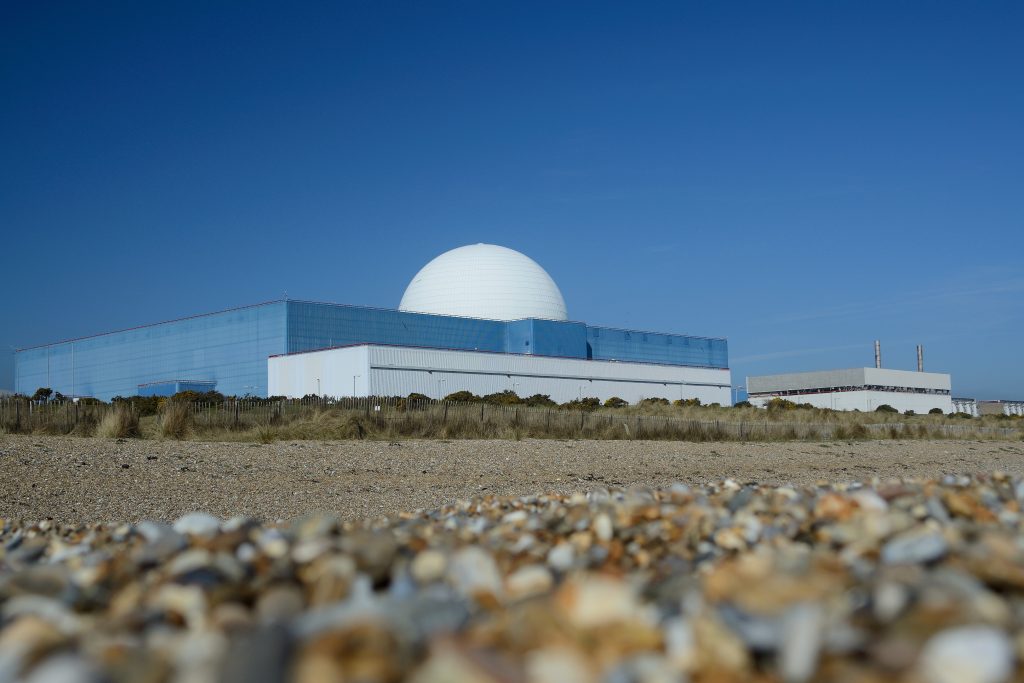
In the UK, nine reactors are operational across five sites. Of these, eight are advanced gas-cooled reactors with one pressurised water reactor located at Sizewell. EDF declared an additional £1.3bn investment in January 2024 to prolong the lifespan of the UK’s aging AGR plants. Despite these investments, two EPR units at Hinkley Point and planned developments at Sizewell are seeing delays and escalated costs.
The UK’s regulatory body authorised a site licence for Sizewell C in May 2024 following the issuance of a Development Consent Order in January, paving the way for the project’s development. The newly elected Labour government has underscored the significance of emerging nuclear stations to secure energy independence and job creation within the nation.
Dr. Sama Bilbao y Leon, WNA’s Director General, stated, “Nuclear energy remains one of the most reliable means of supplying clean energy.” This sentiment is echoed as global leaders converged to triple nuclear capacity by 2050, signifying a considerable expansion in nuclear capability.
Alasdair Reisner of the Civil Engineering Contractors Association pointed to the recent rise in nuclear energy as a pressing indicator for the UK to quickly expand its nuclear capabilities. Reisner reiterated the necessity for a balanced energy portfolio to maintain power reliability and meet future net-zero objectives.
Industry insiders, such as Chris Conboy of AtkinsRéalis, dubbed this era a ‘supercycle’ for nuclear energy, driven by extensive global electricity demand. The market is expected to see diverse technologies, from large reactors to prospective fusion power, stepping in to meet this demand.
Holtec International and legal experts have further vocalised the urgent need for policy clarity and streamlined approvals in the UK, warning of potential setbacks in becoming leaders in nuclear innovation.
The UK’s nuclear sector must swiftly adapt to global trends to ensure energy security and sustainability.

