
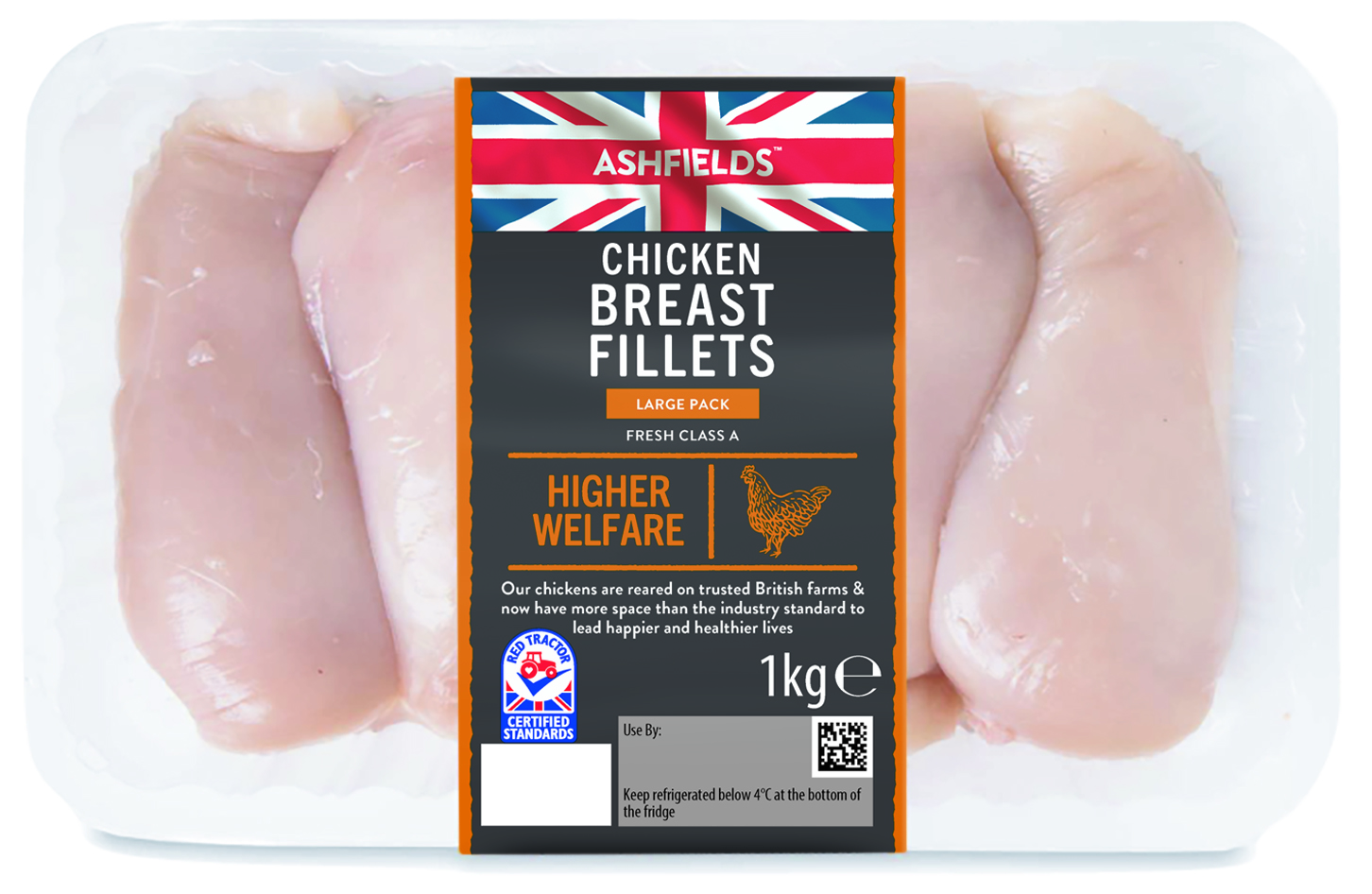

Aldi introduces updated packaging, reflecting enhanced chicken stocking density.
- The new labels, effective from 30th October, signify improved poultry welfare.
- Aldi’s commitment includes providing chickens 20% more space than industry norms.
- Julie Ashfield emphasises animal welfare as a key priority for Aldi.
- Aldi’s shift aligns with industry trends towards better animal welfare practices.
Aldi is set to enhance its animal welfare standards by implementing new packaging for its fresh chicken products. This change marks a significant step as it introduces updated labels that will clearly showcase the improved stocking density requirements. Effective from 30th October, these labels will inform consumers about the higher welfare conditions under which the poultry range is produced, thereby aligning Aldi’s practices with its stated commitment to animal welfare.
The initiative ensures that all fresh chickens supplied by Aldi will have 20% more space compared to existing industry standards. Such a move is indicative of Aldi’s proactive approach in reassessing and exceeding baseline animal welfare standards set within the retail sector. This latest development follows Aldi’s recent decision to cease the sale of eggs from caged hens, a milestone that was achieved ahead of its projected timeline.
Julie Ashfield, Aldi’s managing director of buying, articulated the company’s stance by stating, “Animal welfare is of paramount importance to us, and we’ve been working hard with our suppliers to reduce stocking density to help us improve the welfare conditions for chickens.” Her remarks underscore Aldi’s strategy of leveraging supplier partnerships to enforce rigorous welfare standards whilst maintaining competitive pricing.
In line with industry advancements, rival supermarket Lidl had earlier declared its intentions to augment its own chicken welfare standards by also increasing space by 20% in its fresh chicken offerings. This sector-wide trend towards reduced stocking densities highlights an ongoing shift towards more ethically responsible meat production practices among leading retailers.
The reduced maximum stocking density, now capped at 30kg per square metre, exemplifies Aldi’s alignment with these emerging ethical standards. It represents an undertaking to not only adhere to regulatory requirements but to surpass them, thus cementing its role as a leader in retail animal welfare initiatives.
Aldi’s introduction of new chicken stocking labels reflects a robust commitment to enhanced animal welfare, setting a precedent within the industry.
