

Anglian Water has commenced a significant market engagement for its ambitious £5bn reservoir projects, revealing vital details to engage key contractors.
- The water company aims to enhance resilience and supply in response to growing pressures, expecting significant expertise from main works contractors (MWCs).
- The endeavour involves two major sites, the Fens and Lincolnshire, each with intricate designs and infrastructure needs.
- Emerging designs, inspired by natural history, highlight the long-term planning and environmental considerations.
- Planning submissions are set for 2026, with consent expected by 2028.
Anglian Water has initiated market engagement for its substantial £5bn projects aimed at developing two reservoirs in the Fens and Lincolnshire areas. This announcement, through a periodic indicative notice (Pin), marks the initial steps in hiring main works contractors (MWCs) to execute these massive infrastructure undertakings.
The constructions are driven by a pressing need to improve water resilience and supply capabilities in the region. Anglian Water’s plans involve collaboration with tier 2 and 3 supply chain experts, indicating a necessity for extensive groundworks and construction activities.
Two distinct sites, the Fens and Lincolnshire, have been chosen for reservoir development. These locations have been identified as solutions to meet long-term water supply demands. The Lincolnshire reservoir, located south of Lincoln in North Kesteven, will span over 2.6km by 3.2km and is scheduled for construction between 2029 and 2031, with an anticipated operational date in 2039. In parallel, the Fenlands reservoir, north of Cambridge, is projected to be 2.6km by 2.4km, with its operational launch expected by 2036.
Both reservoirs will feature significant upstream and downstream infrastructure, including raw water channel transfers and potable treatment works. The Lincolnshire reservoir will draw from the South Forty Foot Drain and other rivers, providing a useable volume of 50Mm3. Similarly, the Fenlands site will source water from several local systems, including the River Ouse, offering the same volume and additionally requiring more downstream transfer infrastructure.
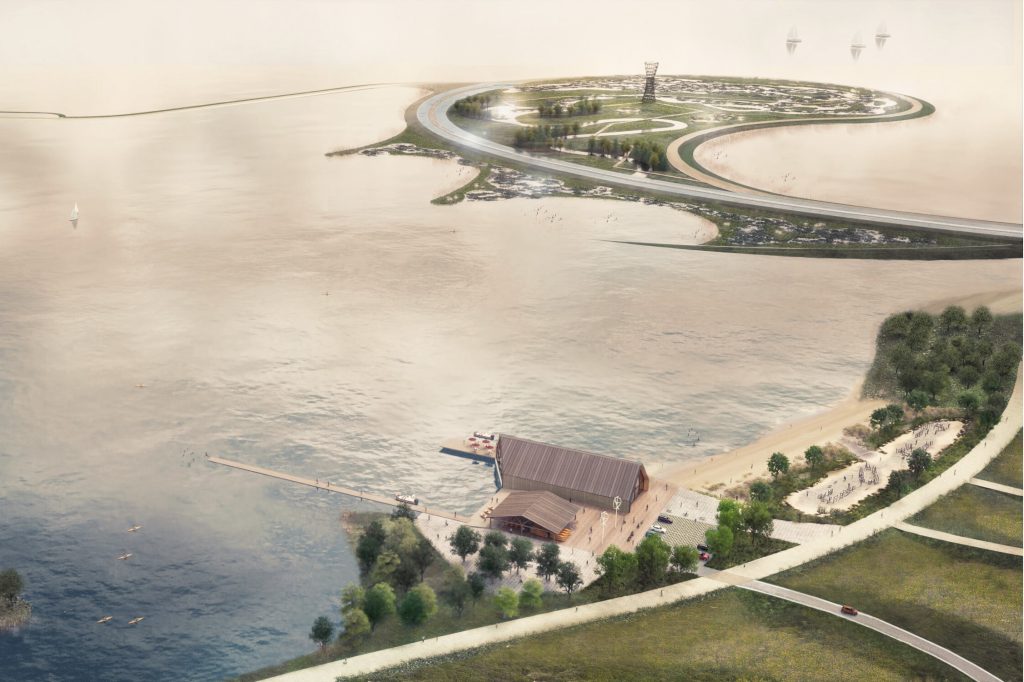
To ensure sustainable development, Anglian Water released prospective designs reflecting natural inspirations and historical transitions. The Fenlands site design draws on ammonite fossils, while the Lincolnshire design integrates with the regional landscape’s natural contours. Planners aim for these environments to foster biodiversity and community engagement, aligning with health and wellbeing incentives.
Anglian Water plans to submit documentation for planning consent by 2026, targeting an authorisation by 2028. This strategic timeline underscores the firm’s commitment to proactive resource management and future-focused infrastructure expansion.
The reservoirs project underlines Anglian Water’s strategic response to future water challenges.
