
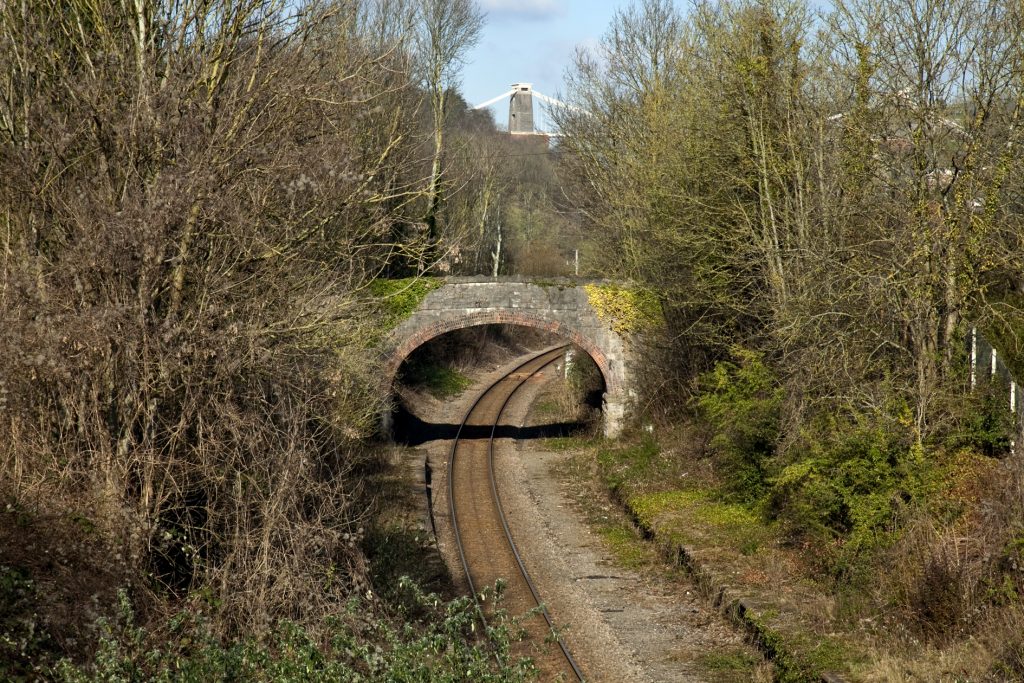

Despite the termination of the Restoring Your Railways programme, councils remain optimistic about reopening abandoned lines.
- Chancellor Rachel Reeves announced that several UK infrastructure projects are halted to address a £22bn budget deficit.
- The Restoring Your Railways initiative successfully revived several lines before its cancellation, saving £85M.
- Hampshire County Council aims to proceed with reopening the Waterside Line, citing existing infrastructure.
- North Somerset Council remains committed to the Portishead to Bristol rail line restoration, which faces financial and bureaucratic hurdles.
Despite the abrupt termination of the Restoring Your Railways initiative, several local councils are determined to pursue the reopening of abandoned railway lines. Chancellor Rachel Reeves recently announced the cessation of several UK infrastructure projects as part of efforts to mitigate a significant £22bn deficit. Among those halted projects was the Restoring Your Railways programme which had initially earmarked £85 million for the revival of neglected rail lines.
Prior to its cancellation, the programme had achieved notable success, reviving several key lines and stations. These included the Dartmoor Line and the Northumberland Line, along with stations such as White Rose and Marsh Barton. Despite its discontinuation, some councils are confident in their ability to continue their planned projects, thanks in part to the foundational work already laid by the initiative.
Hampshire County Council exhibits a sense of optimism regarding the reopening of the Waterside Line, also known as the Fawley branch line. This 14.5km stretch, connecting Totton and Fawley, was closed to passenger services in 1966. With much of the infrastructure already in place, the councillors believe the project can proceed at a reduced cost. A recent sighting of a Network Rail test train on the line has further bolstered hopes for the project.
Similarly, North Somerset Council remains resolute in its plans to reopen the Portishead to Bristol rail line, which was discontinued as a passenger service in 1964. Despite the financial challenges brought about by inflation and rising construction costs, the council has managed to secure additional funding. Their commitment is further evidenced by the ongoing preparatory work, although the final go-ahead remains contingent upon government support.
As North Somerset Council leader Mike Bell states, “The Portishead to Bristol rail line is a hugely important scheme for us and one that will make a significant difference to the lives of local people, both now and in the future.” Collaboration with authorities and representatives underscores the ongoing efforts to ensure these projects reach fruition.
The determination of local councils to revive abandoned railways demonstrates a resilient approach to tackling infrastructure challenges.
