
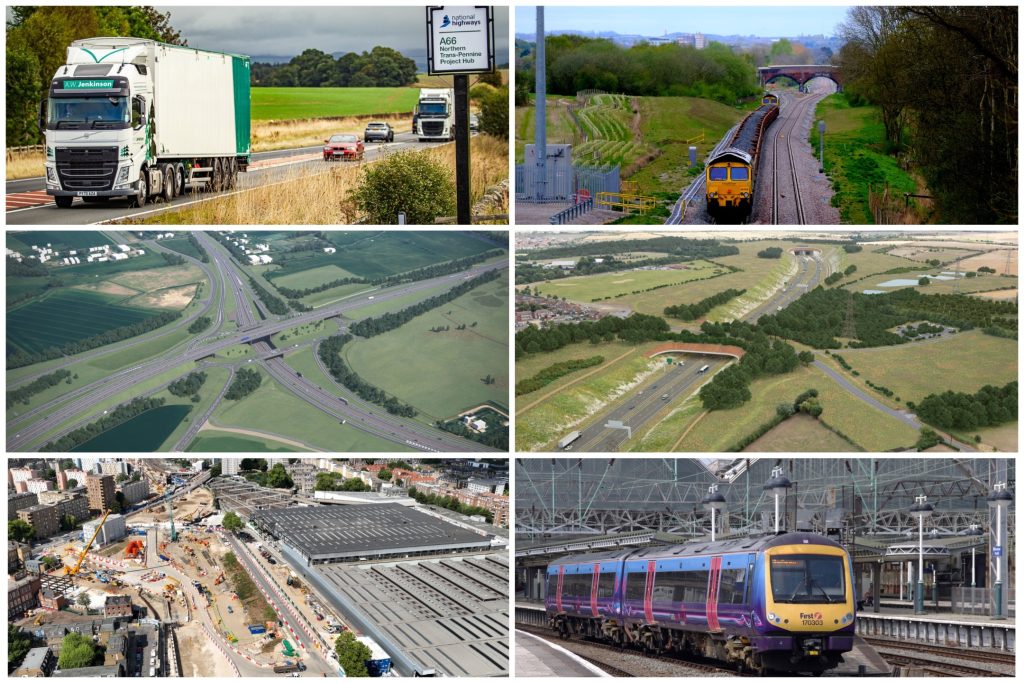

The UK’s Department for Transport (DfT) faces a challenging time as an internal review of its capital spending is underway to address a significant budgetary shortfall.
- Chancellor Rachel Reeves has unveiled a staggering £22 billion black hole in the government’s finances, compelling immediate spending cuts on various transport initiatives.
- Transport Secretary Louise Haigh is leading an exploration to bridge a £2.9 billion gap attributed to unfunded transport commitments as part of this fiscal crisis.
- Major infrastructure projects like the Stonehenge Tunnel and the Restoring Your Railways programme have already been cancelled amid these financial constraints.
- The review could impact several high-profile projects, including High Speed 2 (HS2) and Northern Powerhouse Rail, with potential implications for future transport infrastructure.
The United Kingdom’s Department for Transport (DfT) is currently under scrutiny as it faces an internal review aimed at identifying ways to tackle a substantial £2.9 billion funding gap for the year. This financial examination is a direct consequence of the government’s wider fiscal struggle, highlighted by Chancellor Rachel Reeves’ announcement of a £22 billion shortfall, leading to immediate spending cuts. Initial cancellations have already impacted transport projects such as the A303 Stonehenge Tunnel and the Restoring Your Railways programme. The urgency of addressing these unfunded commitments cannot be overstated.
Transport Secretary Louise Haigh is at the helm of this review, attempting to navigate the financial challenges and explore potential solutions within the DfT’s spending plans, many of which were inherited from previous administrations. Her statement to Parliament reveals that there has been a lack of transparency with the public concerning the status of transport schemes, some of which were prematurely halted or delayed by the previous government without adequate public notice. Despite the Chancellor’s directives to reduce non-essential consultancy spending, Haigh advocates for enlisting external expertise to aid in crafting recommendations for current and future transport ventures.
The examination of key projects is underway, with significant attention on the fate of High Speed 2 (HS2) and its extension to Euston station. Although no definitive decisions have been made, the likelihood of this project’s future remains uncertain, compounded by previous government efforts to re-phase its development and seek private investment. The Labour administration, under Haigh’s stewardship, is yet to clarify its stance, though the cancellation risks undermining HS2’s potential benefits, as highlighted by a National Audit Office report.
Additionally, the Northern Powerhouse Rail (NPR) project, which aims to enhance rail connectivity between Manchester and Leeds, is under financial examination. Despite previous commitments, the project’s estimated costs have reached £30.6 billion, stirring concerns over its feasibility amidst broader economic constraints. Similarly, the electrification of the North Wales Main Line remains an unresolved issue, with past promises of funding now cast in doubt due to the financial review.
Further developments include the East West Rail project, connecting Oxford and Cambridge, which is also under scrutiny. Although nearing completion for its initial phase, subsequent stages face uncertainty from the funding review. The expansive Lower Thames Crossing road scheme, despite its significant cost-benefit ratio, and the contentious A66 Northern Trans-Pennine project also lie in the critical path of this financial reassessment.
The upcoming Budget on 30 October poses potential further consequences for these public infrastructure projects. Stakeholders within the DfT and related entities are navigating a convoluted landscape of fiscal prudence and strategic infrastructure planning, with potential implications extending well beyond immediate financial recovery.
The intricate web of financial scrutiny within the Department for Transport signals a pivotal moment for future infrastructure projects in the UK.

