

The recent general election in the United Kingdom resulted in a notable Labour victory, sparking varied responses from political and financial circles.
- Labour’s winning margin appeared overwhelmingly decisive with a substantial majority, yet analysis reveals layers to this political triumph.
- The new government is poised for a structural overhaul, aiming to stabilise and revitalise the UK economy.
- Despite the celebratory mood, the actual voter turnout and support reflect a more nuanced picture of public sentiment.
- Key sectors, including the travel industry, await legislative developments that Labour’s victory promises.
Labour’s recent general election victory marked a significant shift in the UK’s political landscape, with the party securing a 174-seat majority in Parliament. This outcome was perceived as a herald of political stability, a sentiment echoed by financial markets buoyed by the results. However, a deeper analysis suggests that this victory, while substantial, may not reflect sweeping national consensus.
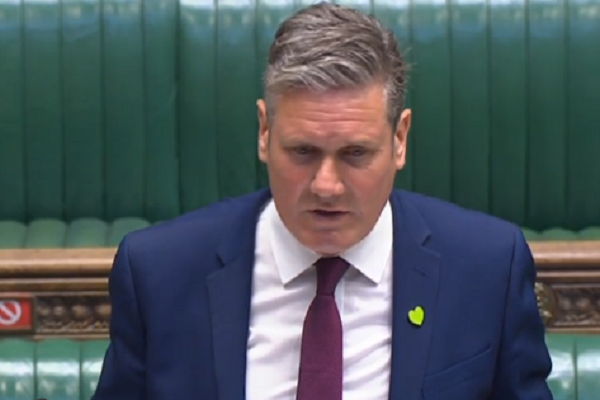
The triumph of Labour, under Sir Keir Starmer’s leadership, drew positive reactions from analysts and investors. The Financial Times reported a general sense of relief as the victory ostensibly closed a turbulent chapter in UK politics. Observations were made regarding Labour’s ambitious plans to reform the UK’s planning system, which are expected to stimulate economic growth, potentially securing a second term.
Despite these optimistic projections, the victory presents complexities. Labour garnered 412 seats with merely 34% of the vote, a similar figure to its previous performance under Jeremy Corbyn in 2019. Strikingly, Labour clinched this majority with fewer numerical votes than in prior elections. The collapse of the Scottish National Party’s vote played a pivotal role, suggesting that enthusiasm for Labour was less vigorous than the seat distribution implies.
Professor John Curtice highlighted the muted enthusiasm, noting the rarity of forming a majority with a relatively low vote share. He pointed out that, sans the Scottish factor, Labour’s vote tally would have been lower than in 2019, underscoring a complex electoral picture.
The government, led by Starmer, alongside Chancellor Rachel Reeves, is setting sights on a pro-growth agenda despite looming economic constraints. The Treasury is tasked with fostering a business-friendly environment amidst fiscal pressures, seeking to navigate spending and borrowing limitations. With the Bank of England anticipating modest growth, Labour’s economic strategy hinges on revitalising the sluggish performance of recent years.
Key plans include a progressive overhaul of the business taxation system in England, as well as reforms in travel regulations such as Atol. The government’s legislative agenda, to be unveiled in the King’s Speech, is expected to encompass significant reforms across various sectors, including transport and energy.
As the anticipation builds around Labour’s administrative agenda, the upcoming European summit is poised to recalibrate UK-EU relations, setting the stage for a transformative period leading into the government’s comprehensive spending review and Budget in October.
Labour’s electoral victory sets the stage for potential growth amidst complex challenges, promising transformation across various sectors.
