
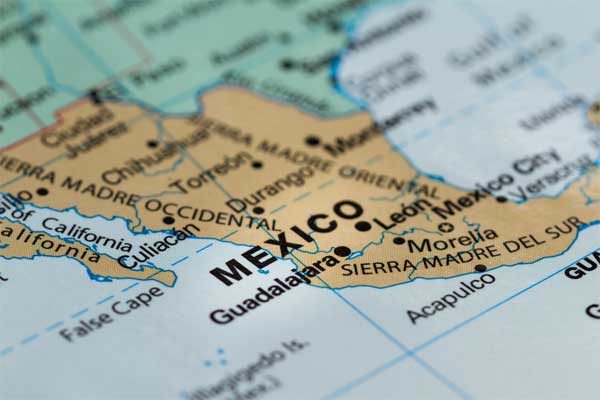

A significant meteorological event has impacted the Pacific coast of Mexico, causing widespread concern.
- Hurricane John, with winds up to 120 mph, has struck the southern coast, triggering emergency responses.
- The US National Hurricane Centre has warned of life-threatening conditions, including storm surges and flash flooding.
- Mexican authorities have implemented evacuations and established shelters amid worsening weather conditions.
- Residents are urged to stay informed and heed the advice of local authorities during this crisis.
Hurricane John, with ferocious winds reaching up to 120 mph, struck Mexico’s southern Pacific coast late on September 23, 2024, causing significant turmoil in the affected regions. The storm’s intensity prompted a widespread warning from the Foreign Office as it made its formidable landfall in Pacific coastal communities, particularly affecting areas east of Acapulco.
The US National Hurricane Centre issued grave warnings about the potentially catastrophic impact of Hurricane John. It emphasised the ongoing risks, which include damaging hurricane-force winds, life-threatening storm surges, and flash flooding. The advisories were targeted at residents and tourists alike, urging them to take immediate precautions to safeguard lives.
Mexican authorities responded proactively to the severe weather conditions. A hurricane warning covered the area from Guerrero to Chiapas, including towns such as Punta Maldonado, Puerto Angel, and Huatulco. Laura Velázquez, the federal co-ordinator of civil protection, underscored the need for timely evacuations, urging coastal residents to relocate to safer areas or designated shelters.
In a bid to mitigate the hurricane’s impact, Oaxaca’s governor confirmed the evacuation of 3,000 individuals, alongside the establishment of 80 shelters. Moreover, a deployment of over 1,000 military and state personnel was enacted to address the arising emergency needs as part of a comprehensive disaster response strategy, as reported by the Associated Press.
Given the potential for aftereffects such as residual flooding and continued rainfall, the Foreign Office continues to advise vigilance. This encompasses closely monitoring weather forecasts through reputable sources like the US National Hurricane Centre and adhering to directives from local agencies and travel operators.
The aftermath of Hurricane John serves as a stark reminder of the critical importance of preparedness and timely response in mitigating natural disaster impacts.
