

The launch of AMP8 marks a transformative phase for the water industry, focusing on innovation and technology.
- Severn Trent Water’s digital engineering lead highlighted technology’s ‘massive role’ during a recent industry conference.
- AMP8 will see a near doubling of capital investment, prompting necessary changes in delivery practices.
- Embracing digital twins is seen as crucial for streamlining water infrastructure projects.
- Collaboration and standardisation among water companies are vital to manage increasing complexity.
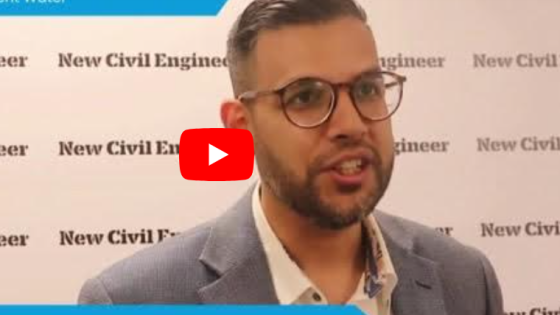
The UK’s water sector is poised on the cusp of significant transformation with the introduction of its eighth asset management period (AMP8), unfolding between 2025 and 2030. As highlighted by Severn Trent’s business lead for digital engineering, Nitesh Alagh, the sector’s ambitious £96bn investment plan is set to pivot heavily on technological advancements to meet its objectives.
The revelation came during an insightful exchange at the NCE Water conference, where Alagh pointed out the proactive measures being taken by water companies as they transition from the previous AMP7. ‘Most water companies’, he stated, ‘are exiting AMP7 ready to hit the ground running in the first year of AMP8.’ With initial regulatory assessments from Ofwat still pending, the proactive groundwork laid by the industry underscores its readiness.
A significant increase in capital spending, from £51bn in AMP7 to an anticipated £96bn for AMP8, underscores the sector’s urgency. With plans to construct new reservoirs, a feat not undertaken in decades, the sector faces immense pressure to enhance delivery capabilities. Alagh and other industry leaders assert that modern practices and cutting-edge technology will be indispensable in ensuring efficiency and quality in execution.
At the heart of this technological shift is the adoption of digital twins, a concept Alagh passionately advocates. Digital twins provide a virtual replica of physical assets, allowing for enhanced planning, execution, and operation of infrastructure projects. This digitalisation not only promises faster and more cost-effective project delivery but also ensures higher levels of accuracy and risk management.
However, with a multitude of stakeholders and specialist entities involved, the complexity of managing this transformation cannot be overstated. Alagh calls for heightened collaboration across water companies to bring ‘collaboration’ to fruition. Addressing this from the top level, he argues, will facilitate a cohesive approach that aligns the supply chain and meets the diverse needs of different clients effectively.
Embracing digitalisation and collaboration stands as a cornerstone for successfully navigating AMP8’s ambitious objectives.
