The National Audit Office (NAO) reports significant financial waste and missed benefits from the HS2 project cancellation.
- Billions have been spent on HS2, with Phase 2 of the project cancelled, leading to unclear project intentions and resource wastage.
- Land acquisitions for the project now face sell-back processes, affecting future infrastructure plans.
- Cost control issues plague HS2, with spending beyond early estimates due to overly optimistic planning.
- Potential reductions in train service capacity are highlighted, with urgent calls for revised plans to address these challenges.
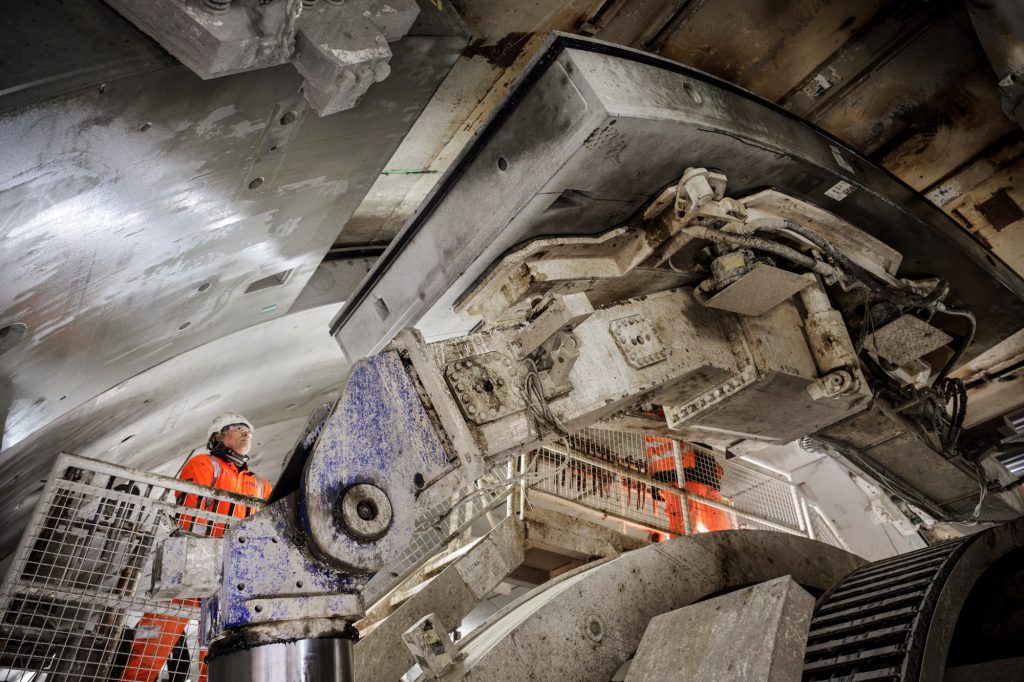
The National Audit Office (NAO) has released a report detailing the squandering of billions of pounds and potential benefits following the cancellation of the High Speed 2 (HS2) project north of Birmingham. This decisive move has rendered the project’s objectives unclear and wasted significant resources, posing a challenge to the primary goal of enhancing the nation’s railway capacity.
As of March 2024, HS2 Ltd reported expenditures of £30.1 billion on the project, with £27.8 billion allocated to Phase 1. Phase 2, which was ultimately cancelled, incurred a cost of £2.3 billion. The government also spent £592 million on acquiring land for Phase 2, property that is now surplus to requirements. The process of decommissioning work sites and returning the land to its original state is estimated to cost up to £100 million and continue until 2027. Early works like boreholes and utility diversions had already begun and must now be remediated.
With the cancellation, HS2 Ltd, having no direct influence over the decision, quickly shifted focus to reassessing Phase 1 to curb unnecessary expenditures. Despite reduced scope, some Phase 1 projects, including the complete construction of HS2 Curzon Street’s seven platforms, proceed as initially planned due to cost efficiencies.
Additionally, the NAO indicates that the Department for Transport (DfT) is in the nascent stages of re-evaluating plans for the Euston station, with current focus on securing private investment. However, clarity on the project’s scope and governance remains forthcoming, with a protracted timeline expected before final arrangements are established.
Cost discrepancies persist, with HS2 Ltd estimating Phase 1 completion costs to exceed the proposed budget. While the DfT anticipates final expenses to range from £45 billion to £54 billion, HS2 Ltd predicts the budget could climb as high as £57 billion. Delays in planning and inflation further exacerbate these cost inflations.
On the benefits front, the DfT must reevaluate its strategy to realise the potential of the revised HS2 scope. While aims include increasing passenger capacity and contributing to decarbonisation, the cancellation of Phase 2 significantly diminishes the achievable benefits, necessitating collaboration across government entities to foster economic growth and investment.
The impact of the HS2 Phase 2 cancellation on the West Coast Main Line (WCML) is profound. DfT forecasts indicate that existing infrastructure will be unable to accommodate increased capacity needs by the mid-2030s, and adjustments to current plans are crucial to mitigate future service reductions and capacity challenges.
The HS2 project cancellation demands a comprehensive reassessment to prevent further wastage and ensure its future viability.