
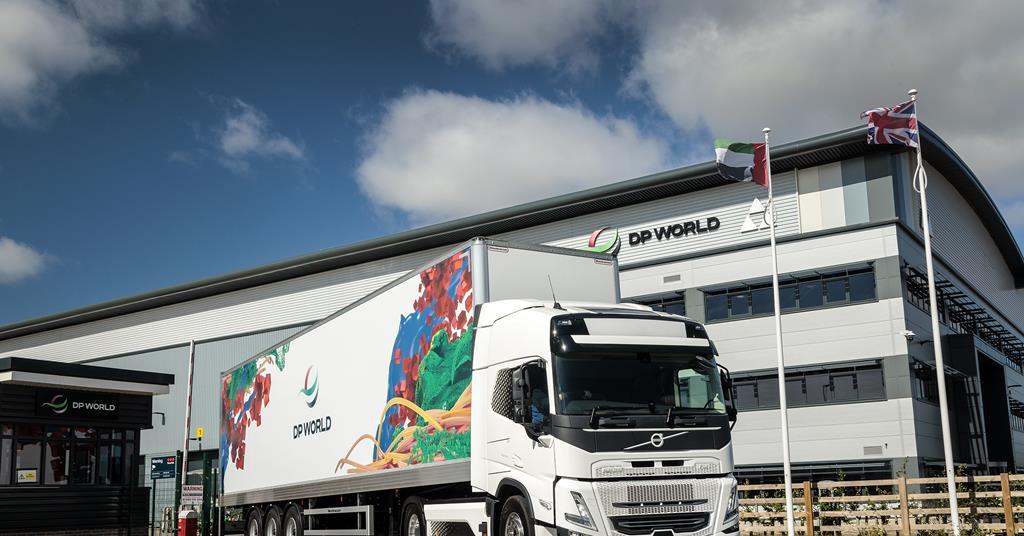

Imperial Logistics International adopts electric trucking as a strategic move to explore sustainable logistics.
- The company has integrated an electric Volvo 4×2 tractor unit into its fleet for trial purposes.
- Operational trials are aimed at examining the viability of electric vehicles amidst the decline of diesel.
- Positive driver feedback highlights initial satisfaction with the electric vehicle’s performance.
- Challenges remain due to the UK’s insufficient recharging infrastructure for electric vehicles.
Imperial Logistics International has embarked on a pioneering initiative to integrate electric vehicles into its logistics operations, reflecting the industry’s shift towards sustainability. By acquiring an electric Volvo 4×2 tractor unit, the company underscores its forward-thinking approach to determine if this technology meets operational needs effectively.
The electric vehicle has been procured from Dawsongroup on a four-year contract hire, serving as a crucial part of a localised logistics programme tailored for an undisclosed DP World client. This move comes in light of the anticipated phasing out of diesel engines, as observed by Neil Herring, operations director at Oxford. He emphasised the company’s proactive stance in preparing for a future dominated by electric power.
Herring further indicated that sustainability, addressing environmental and socio-economic factors, is pivotal to their strategy. This requires companies to innovate and potentially lead in adopting new technologies. The Oxford operations, particularly for a prominent automotive client, highlight the necessity for Imperial to adopt these forward-looking strategies without delay.
Transport manager Dave Munday reported favourable feedback from drivers using the electric vehicle. Despite concerns over the UK’s current recharging infrastructure, Munday noted that the trials are initially confined to shorter distances to mitigate potential delays. The focus is on evolving these into more extensive routes as they gain confidence in the vehicle’s capabilities without compromising delivery timelines.
Route planning has emerged as a critical component of this transition, contrasting the traditional requirements of diesel engines with the unique demands of electric vehicles. Munday acknowledges that while electric routes must be meticulously planned, this initiative may ultimately enhance overall logistics efficiency.
Imperial Logistics is setting a precedent in adopting electric vehicles, addressing sustainability while navigating existing infrastructure challenges.
