
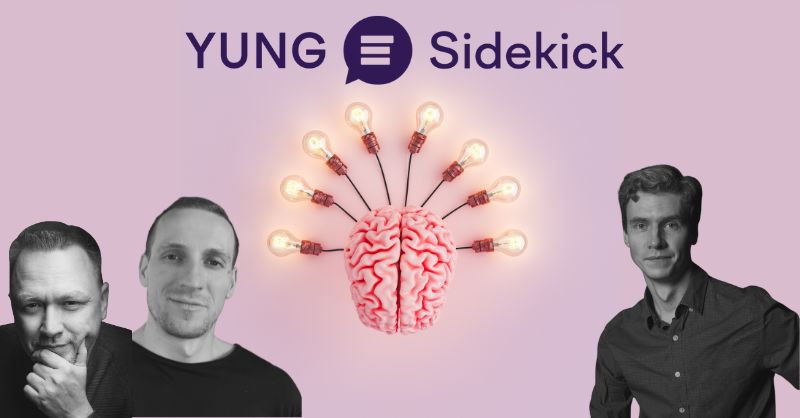

AI-driven mental health platform, Yung Sidekick, has successfully raised $825K in pre-seed funding, aiming to alleviate therapist fatigue caused by administrative tasks.
This funding initiative promises to streamline therapy processes by automating tedious documentation, ultimately enhancing patient interaction and care quality.
Yung Sidekick, an innovative mental health assistant platform, has secured $825K to combat therapist burnout. By automating administrative tasks, it allows mental health professionals to allocate more time to patient care, addressing the pressing issue of workload-induced fatigue.
“Every minute spent on paperwork is a minute taken away from patient care,” notes Stanley Efrem, co-founder. Yung Sidekick aims to empower therapists to dedicate efforts to client engagement by cutting down the administrative load.
Michael Reider, CEO, envisions evolving the platform into a comprehensive provider-patient system, introducing AI-driven client chat for a more integrated therapy experience.
This financial boost marks just the beginning, as Yung Sidekick continues to refine its vision of efficient therapy processes, benefiting both service providers and patients alike.
By focusing on both the technological and emotional aspects of therapy, the startup highlights how the integration of AI can make mental health services smarter and more adaptive to current needs.
Yung Sidekick’s goal is not just immediate efficiency but also long-term evolution into an all-encompassing therapeutic tool. It aims to create dynamic, responsive AI solutions that meet the complex challenges faced by modern mental health professionals.
This new investment is set to enhance Yung Sidekick’s contributions to mental health care substantially, marking a significant step toward transforming the future of therapy delivery.
With substantial backing, Yung Sidekick is poised to redefine therapy administration, ensuring therapists can focus more intently on patient care.
As it continues to innovate, the platform holds promise for elevating the overall quality and effectiveness of mental health services.
