
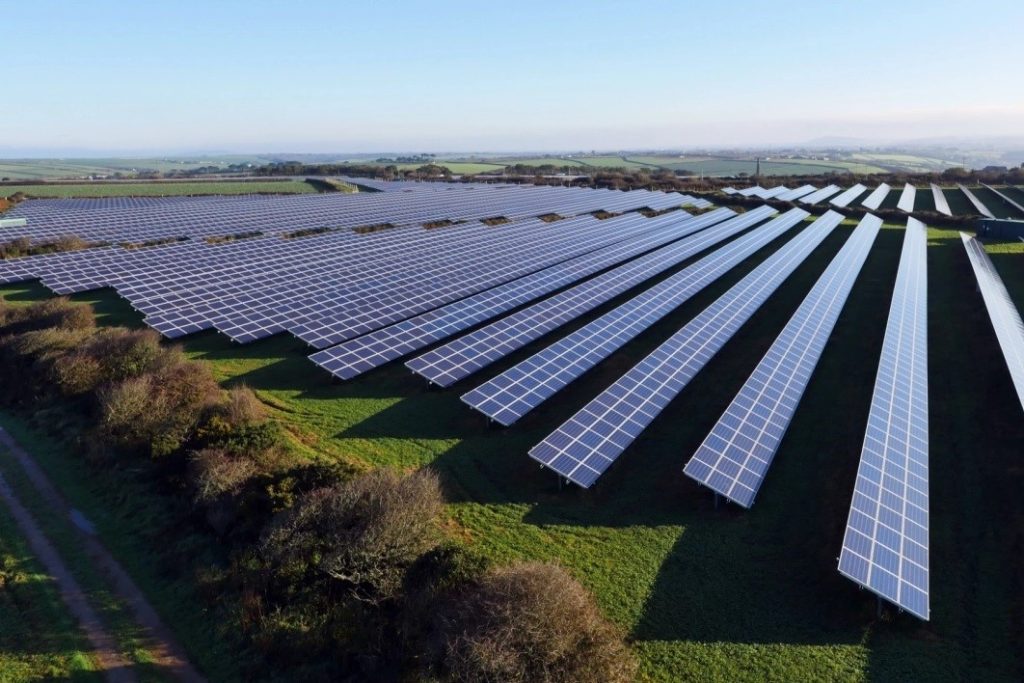

The UK government has granted consent to three major solar farms, paving the way for civil engineering growth.
- The 500MW Sunnica Energy Farm and the 350MW Mallard Pass Solar Project are key developments in renewable energy.
- The Gate Burton Energy Park, developed by Low Carbon, will generate substantial electricity and jobs.
- These efforts align with the Labour government’s focus on transitioning to a net zero grid by 2030.
- Local educational initiatives will accompany construction to boost STEM careers.
In an assertive move towards fortifying the United Kingdom’s renewable energy infrastructure, the government has sanctioned development consent for three significant solar projects. These projects, namely, the Sunnica Energy Farm, the Mallard Pass Solar Project, and the Gate Burton Energy Park, are set to generate substantial amounts of electricity, adding a combined capacity of over 1300MW.
The Sunnica Energy Farm, located on the Suffolk-Cambridgeshire border, along with the Mallard Pass Solar Project in Lincolnshire, mark pivotal advances in the renewable energy sector. These solar farms not only address environmental concerns but also substantiate the Labour government’s commitment to prioritising the national interest in the realm of energy development.
The Gate Burton Energy Park, situated in the West Lindsey district of Lincolnshire, is the largest among these with an expected capacity of 500MW. Developed by Low Carbon, this ambitious project will unfold over a span of 684 hectares. The construction phase, anticipated to commence in 2026 and last up to three years, will significantly bolster local employment. It is estimated to create hundreds of jobs annually, with peak employment periods seeing up to 400 positions filled.
Low Carbon plans to collaborate with educational institutions like Gainsborough College and the University of Lincoln to initiate apprenticeship programs, thus anchoring a future workforce skilled in STEM fields. The development will also support a grid connectivity plan featuring a 400kV electrical connection extending 7.5 kilometres to the Cottam National Grid Substation, ensuring a seamless integration with the national energy framework.
Considered a beacon of strategic clean energy progression, these projects underscore Britain’s resolve to transition to a net zero energy grid by the year 2030. The initiatives promise a substantial socio-economic uplift, contributing not only to energy sustainability but also to the local economy and job market.
The approval of these solar farms signifies a considerable step forward in the UK’s clean energy ambitions and job creation efforts.
